
What to Expect During a Professional Fence Installation
Installing a fence is more than simply putting up posts and panels—it’s a strategic process that enhances property security, defines boundaries, and elevates curb appeal. Whether you’re considering a wooden privacy fence, a durable vinyl option, or a decorative wrought iron installation, understanding what to expect during the process ensures a smoother experience and protects your investment. Professional fence installation is a specialized service that combines technical skill, planning, and precision to deliver results that are both functional and visually appealing.
For homeowners and property managers alike, anticipating the steps involved can reduce stress and prevent costly mistakes. From initial consultations and site assessments to choosing materials and understanding labor requirements, every phase of the installation plays a critical role in achieving a high-quality outcome. Knowing how professionals operate allows property owners to set realistic expectations regarding time, cost, and preparation. This guide breaks down the process of professional fence installation, providing actionable insights, best practices, and expert reasoning. By the end, you’ll have a clear roadmap of what goes into installing a fence that lasts for years while enhancing the overall value of your property.
1. Initial Consultation and Planning
Site Assessment
Professional fence installation begins with a detailed site assessment to ensure stability and alignment. Contractors examine terrain, soil type, property lines, and existing structures that may interfere with installation. Uneven ground, slopes, or roots may require extra preparation or specialized tools. Installers identify potential obstacles, including drainage issues, underground utilities, or zoning restrictions. Addressing these challenges early prevents costly delays, structural problems, and legal complications, ensuring the project starts smoothly and efficiently.
Material Selection
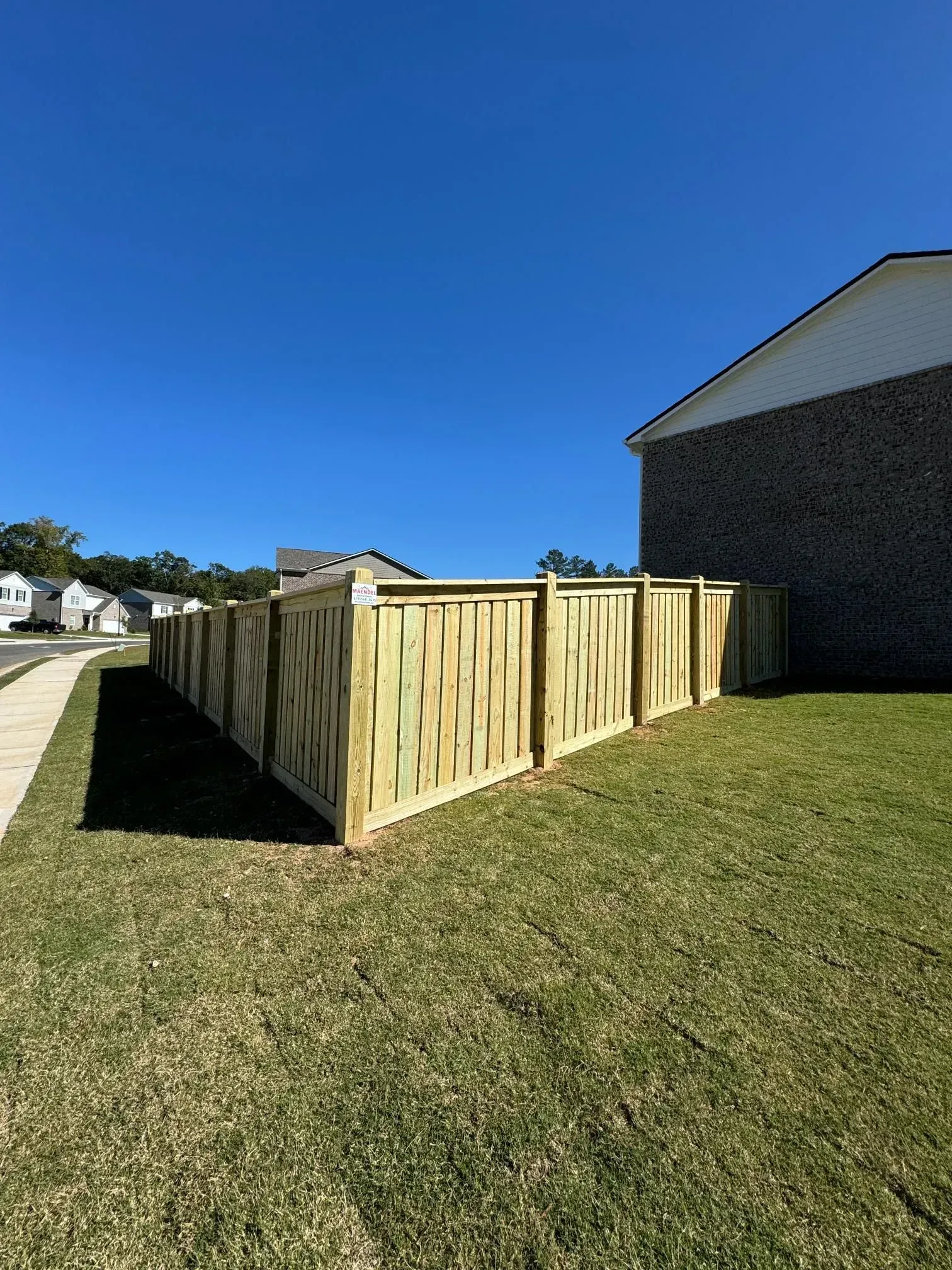
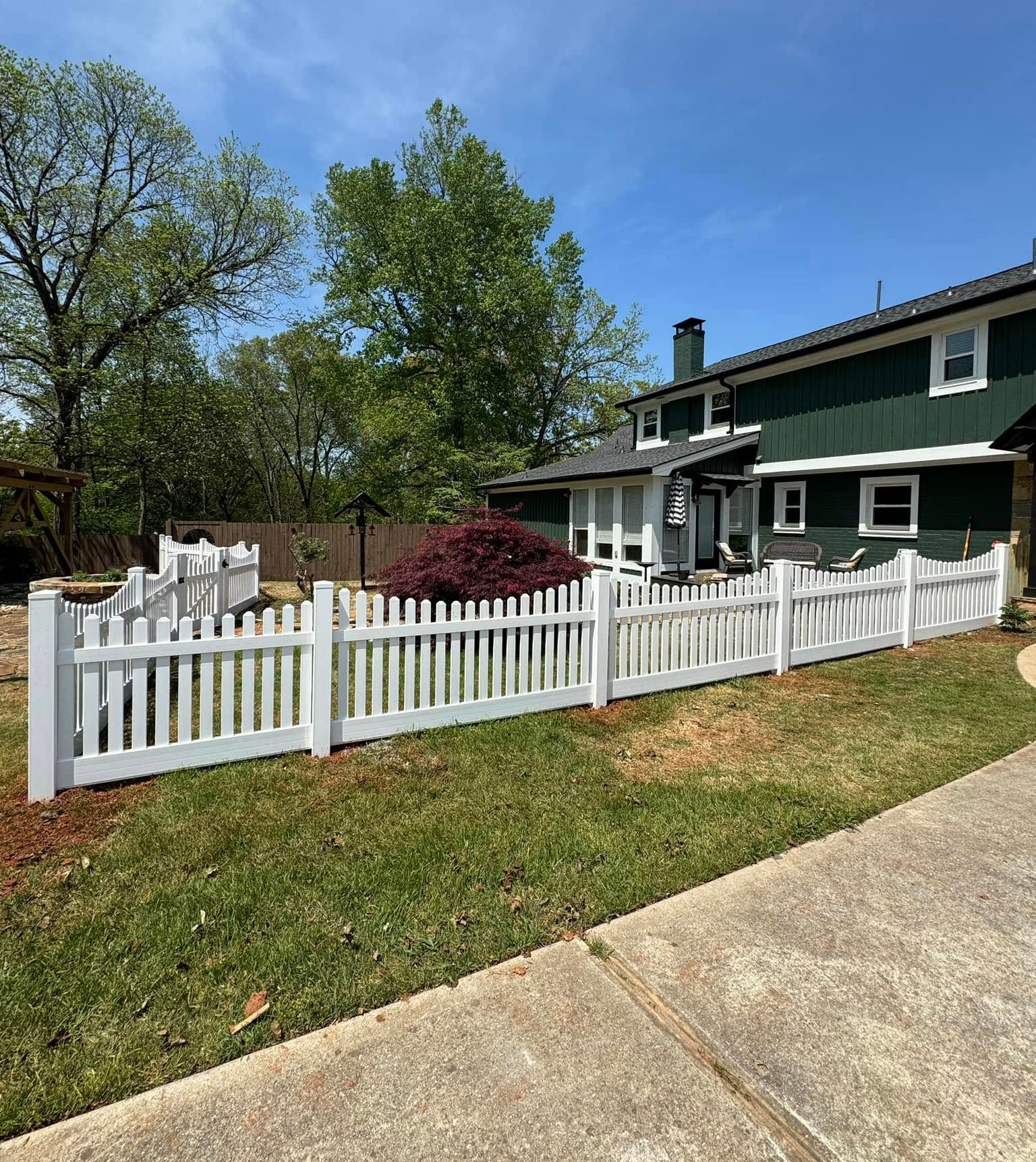
Choosing the right fencing material is essential for durability, function, and aesthetics. Common materials include wood, vinyl, aluminum, chain link, and wrought iron, each with unique benefits, maintenance requirements, and costs. Professionals guide clients in evaluating options based on longevity, style, and overall value. Vinyl fences offer low maintenance and weather resistance, while wooden fences provide classic charm but require regular treatment. Expert guidance ensures the selected material aligns with homeowner preferences and long-term expectations.
Custom Design and Layout
After selecting materials, the layout and design are finalized. This includes determining fence height, spacing, gate placement, and decorative features. Accurate measurements prevent misalignment, while planning ensures the fence fits seamlessly within property boundaries. Many professionals provide visual mock-ups or digital renderings to help clients envision the completed project. Proper planning avoids adjustments during construction, maintains aesthetics, and guarantees a functional design. Thoughtful layout also maximizes property security and visual appeal for long-term satisfaction.
2. Preparation of the Site
Clearing and Marking
Before installation, the site must be cleared of debris, vegetation, and old fencing. Removing grass, bushes, and other obstacles creates a safe, organized workspace. Professionals carefully mark the fence line using precision tools, ensuring posts are straight, evenly spaced, and aligned with the planned layout. Accurate marking prevents mistakes during installation. Thorough site preparation allows the team to work efficiently, reducing time and potential errors, while establishing a solid foundation for the fence’s durability and long-term performance.
Checking Property Lines
Verifying property boundaries is critical to avoid legal disputes. Fence installers use surveys or hire licensed professionals to confirm exact property lines. Installing a fence outside the correct boundary may result in neighbor complaints, fines, or costly relocation. Ensuring accuracy before digging and installation protects the homeowner’s investment and preserves relationships with neighbors. Professional contractors prioritize these checks, combining technical precision with legal compliance to deliver a fence that meets both property and regulatory requirements, providing peace of mind.
Permits and Regulations
Depending on the location and fence type, local permits or building codes may apply. Professionals handle these requirements, ensuring compliance with municipal regulations before construction begins. Proper permitting prevents fines, delays, or rework, saving homeowners time and stress. Experienced installers understand local zoning rules, height restrictions, and material limitations, guiding clients through the approval process efficiently. Taking care of permits early ensures that the project proceeds legally and seamlessly, reducing risk and providing confidence in a smooth, professional fence installation experience.
3. Installing Fence Posts
Digging and Setting Posts
Fence stability depends on accurately installed posts. Professionals use augers or post-hole diggers to create precise holes at the correct depth. Posts are often secured with concrete, particularly in loose soil or areas with extreme weather. Properly anchored posts prevent leaning, sagging, or structural failure over time. Skilled installers account for soil composition and environmental factors, using techniques that maintain long-term durability. Correct post installation forms the foundation of a reliable, safe, and visually appealing fence.
Aligning and Leveling
Maintaining proper alignment and level height is essential for an aesthetically pleasing, durable fence. Installers use string lines, levels, and laser tools to ensure posts are straight and evenly spaced. Even minor deviations can compromise stability and appearance, causing long-term maintenance issues. Professional attention to alignment ensures smooth panel attachment, accurate gate placement, and a uniform look. Careful leveling during this stage sets the stage for overall fence quality and demonstrates the precision and skill that professional installation provides.
Handling Challenges
Fence installation often encounters challenges like rocky soil, underground obstacles, or uneven terrain. Experienced installers adapt their methods to maintain quality and efficiency. Sloped properties may require stepped panels or custom cuts to achieve consistent height. Problem-solving expertise ensures the fence remains stable and visually appealing, even under difficult conditions. By anticipating potential issues, professionals prevent delays and structural problems. Their experience and specialized equipment allow them to provide durable solutions while maintaining project timelines and client satisfaction.
4. Attaching Panels and Fencing Materials
Panel Installation
After posts are set, fence panels or rails are installed according to the selected material. Wooden panels are nailed or screwed, vinyl sections snap together, and metal panels are bolted securely. Professionals ensure consistent spacing, level alignment, and secure attachment. Correct installation at this stage prevents sagging, gaps, and structural issues. By maintaining precision, installers deliver a cohesive, attractive fence that performs well under environmental stress. Quality panel attachment contributes to durability, security, and long-term aesthetic appeal for the property.
Gates and Accessories
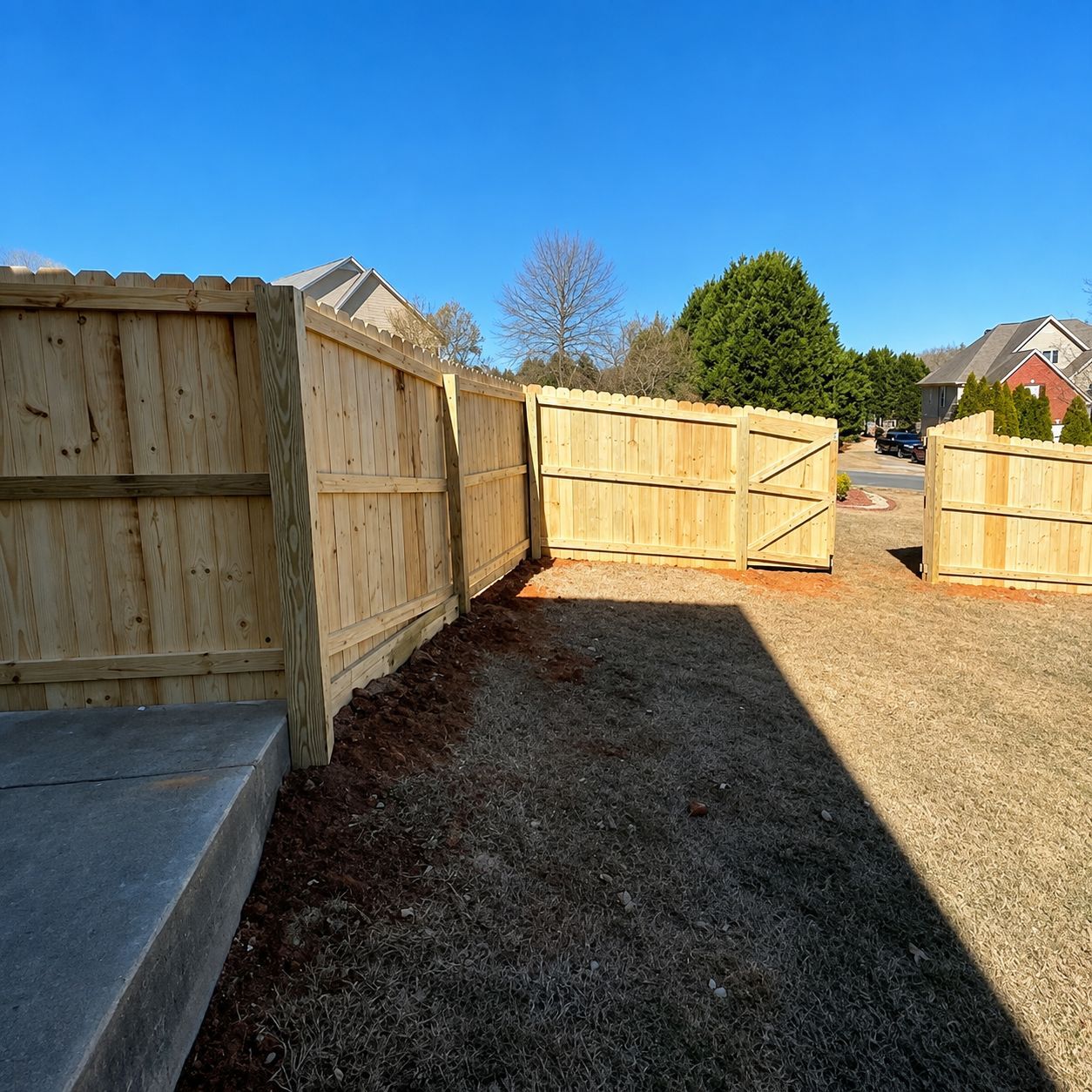
Gates are essential for accessibility and security. Professionals install gates using proper hinges, latches, and alignment techniques to ensure smooth operation and longevity. They account for swing space, ground clearance, and panel alignment to prevent sticking or sagging. Accessories like decorative caps, trim, and hardware are added to enhance both function and style. Proper installation guarantees that gates are secure, practical, and visually complementary, demonstrating attention to detail and professional craftsmanship that improves overall fence quality and performance.
Finishing Touches
Finishing steps protect and enhance the fence’s appearance. Wooden fences may be stained, painted, or sealed to resist weathering, while metal or vinyl components are inspected for secure fittings. Professionals conduct a final walkthrough to ensure all elements meet design specifications and functional standards. These finishing touches improve durability, maintain aesthetic appeal, and prevent premature damage. The result is a polished, professional installation that satisfies client expectations and ensures long-term reliability, demonstrating the comprehensive expertise that defines professional fence installation.
5. Post-Installation Care and Maintenance
Inspection and Quality Check
Professional installation includes a detailed inspection to confirm post stability, panel alignment, and gate functionality. Installers evaluate the entire fence for structural integrity, aesthetic consistency, and potential issues. Identifying problems early ensures corrections can be made promptly. Quality checks validate that the installation meets industry standards and client expectations. This attention to detail guarantees a safe, functional fence that performs as intended. Regular inspection and quality assurance are essential for maintaining long-term performance and minimizing repair needs.
Maintenance Recommendations
Even high-quality fences require periodic maintenance. Professionals provide guidance for cleaning, staining, tightening hardware, and repairing minor wear. Routine care prevents deterioration, extends lifespan, and enhances appearance. Understanding maintenance needs helps homeowners avoid costly repairs or replacements over time. By following expert recommendations, clients preserve structural integrity and aesthetic appeal. Proper upkeep ensures a fence remains secure, attractive, and functional, demonstrating the value of professional installation and ongoing support for long-term property investment.
Addressing Issues
Professional installers often offer warranties or repair services for post-installation issues. Weather damage, accidental impacts, or material defects can be addressed efficiently by the contractor who installed the fence. Prompt service ensures structural integrity, prevents additional problems, and maintains aesthetic quality. Working with experienced professionals provides peace of mind and long-term support. Homeowners benefit from reliable troubleshooting, repair guidance, and preventative measures that keep fences functional, secure, and visually appealing for years, reflecting the expertise and commitment of skilled installers.
Skilled Fence Installers Committed to Exceptional Standards
Professional fence installation is a detailed, multi-step process that goes beyond simply erecting posts and panels. From planning and site preparation to post installation, panel attachment, and final inspections, each phase ensures the fence is secure, functional, and visually appealing. Understanding what to expect allows property owners to make informed decisions, anticipate challenges, and achieve a fence that meets their needs for years to come.
When it comes to reliable and experienced fence installation, Maendel Construction, LLC
in Gainesville, Georgia, stands out as a trusted authority. With several
years of hands-on experience, the company combines technical expertise with personalized service, delivering durable, precision-crafted fences. From initial consultations and material selection to expert installation and post-installation support, Maendel Construction, LLC
ensures every project exceeds client expectations. Their commitment to quality, attention to detail, and dedication to customer satisfaction make them a dependable choice for homeowners seeking a professional fence installation that enhances property value and longevity.