
Front Yard vs. Backyard Fencing: Different Goals, Different Choices
Quick Answer: A front yard fence is mostly about curb appeal and gentle boundary definition, so it stays low, open, and welcoming, usually 3 to 4 feet of picket, aluminum, or split rail. A backyard fence is about privacy, security, and keeping kids and pets contained, so it runs taller and more solid, often 6-foot wood or PVC. The two jobs pull in opposite directions, which is why the same fence rarely suits both. Height limits, HOA rules, and how you actually use each space should drive the choice.
Walk to the curb and look back at your house. What do you want a passerby to see, and what do you want kept out of sight? That single question separates a front yard fence from a backyard one. The front is a first impression. The back is where life happens, where the dog runs and the kids play and you want to grill without an audience. A fence that works beautifully out front can feel closed-in and wrong out back, and the reverse is just as true.
We build both across Gainesville and the surrounding North Georgia towns, and the most common mistake we see is treating a fence as one decision instead of two. Your front and back have different jobs. When you fence them to match those jobs instead of matching each other, the whole property works better.
What a Front Yard Fence Is Really For
Out front, the fence is part of the face of your home. It frames the yard, guides the eye toward the entry, and sets the tone before anyone reaches the door. Because of that, front yard fences lean low and open. You want light and sightlines, not a wall.
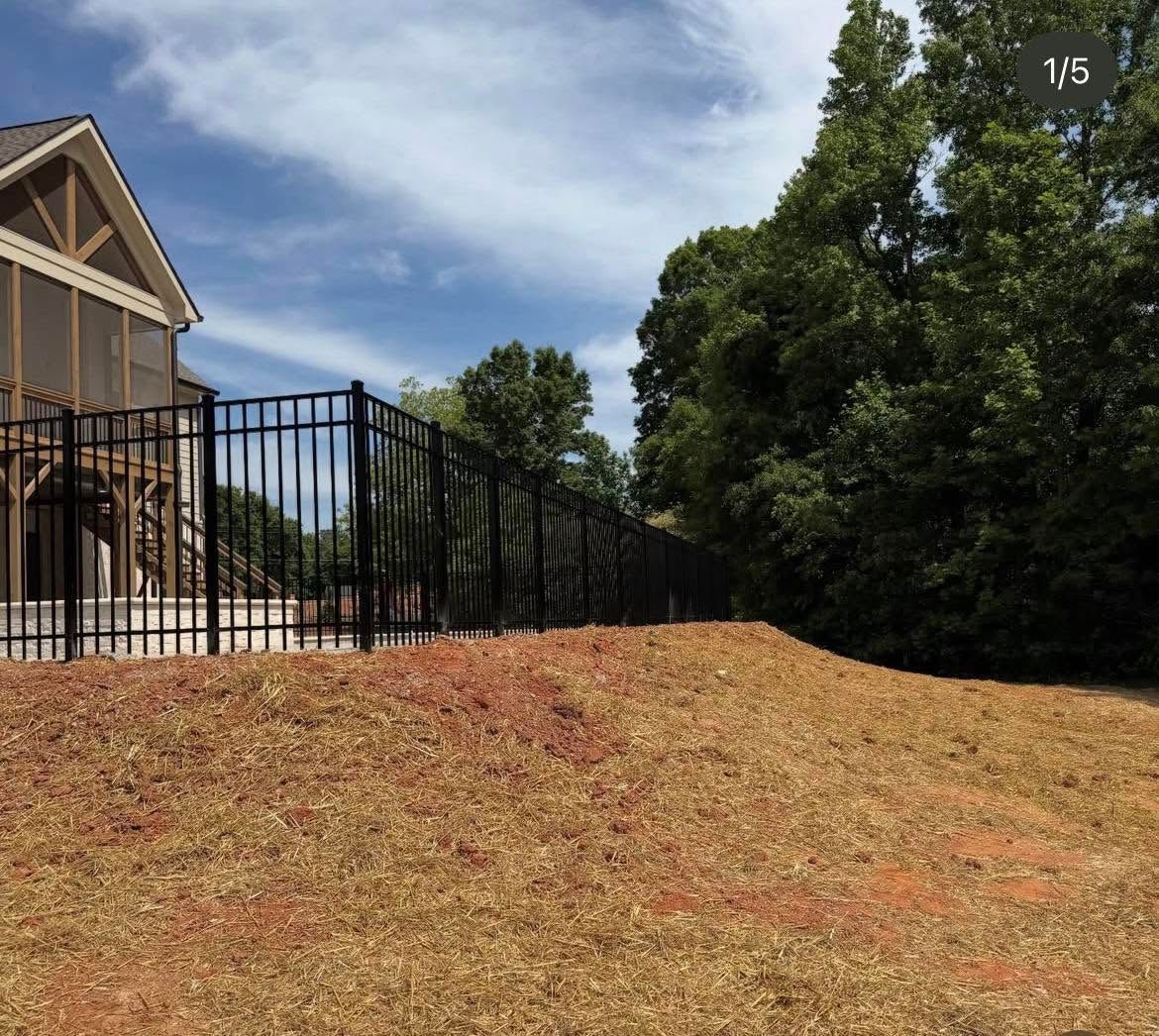
Most front fences run 3 to 4 feet tall. That height marks the boundary without hiding the house or making the yard feel boxed in. Open styles do the heavy lifting here: classic wood picket, powder-coated aluminum, or a simple split rail that says "this is the edge of my yard" without shutting the street out.
There is a practical reason for the low profile too. Many neighborhoods and city ordinances cap front yard fence height, often around 4 feet, precisely to keep streetscapes open and sightlines clear at driveways and corners. A tall solid fence in the front can also read as unfriendly, which matters if resale is anywhere in your thinking. Buyers respond to a front yard that feels open and cared for.
Front yard fencing still earns its keep beyond looks. It keeps a dog from bolting toward the road, defines where your property starts, and can steer foot traffic away from flower beds. It just does all that while staying visually light.
What a Backyard Fence Is Really For
The backyard is a different animal. Here the fence is doing real work: privacy from neighbors, security for the property, and containment for children and pets. Openness stops being a virtue and starts being a liability.
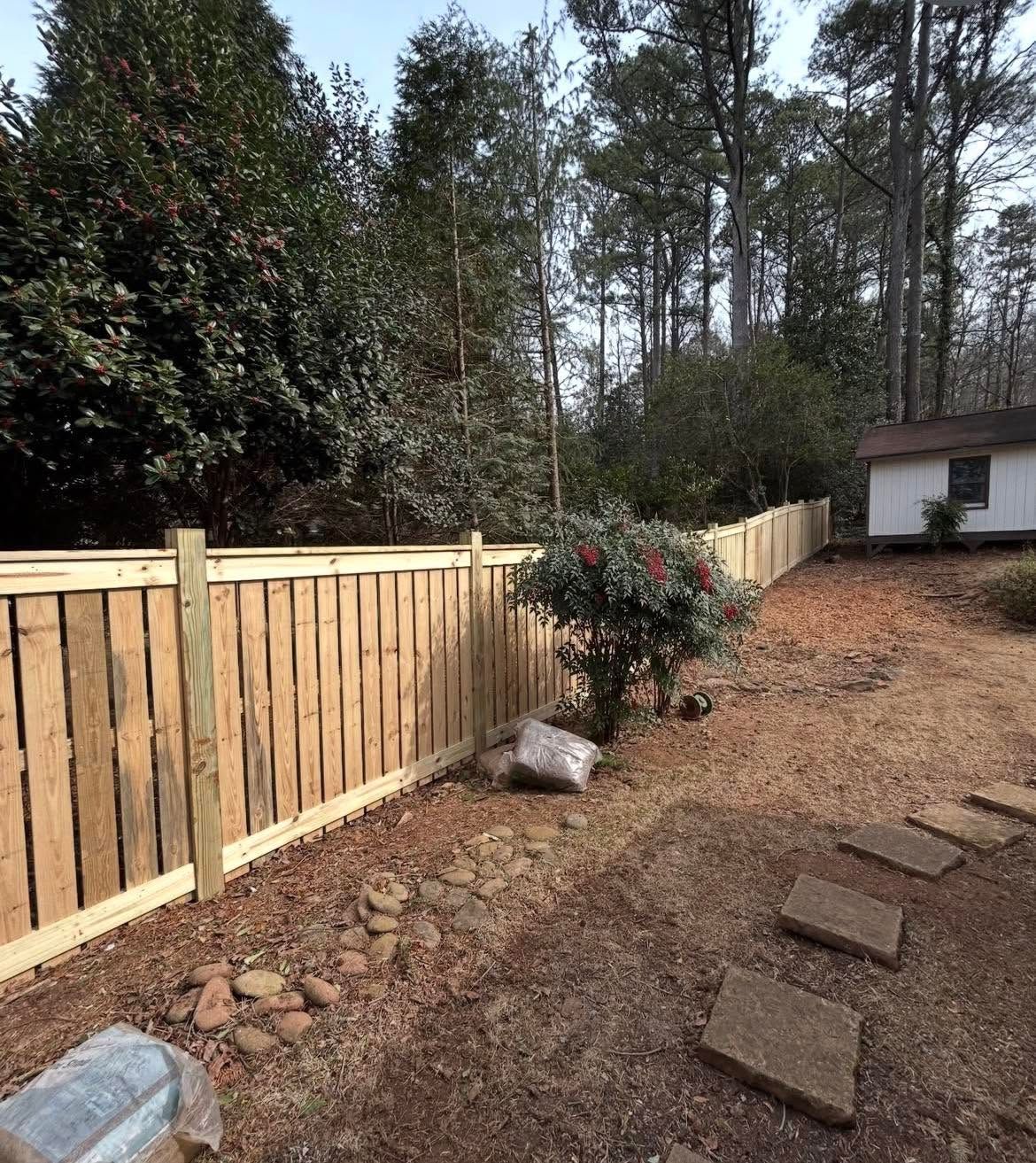
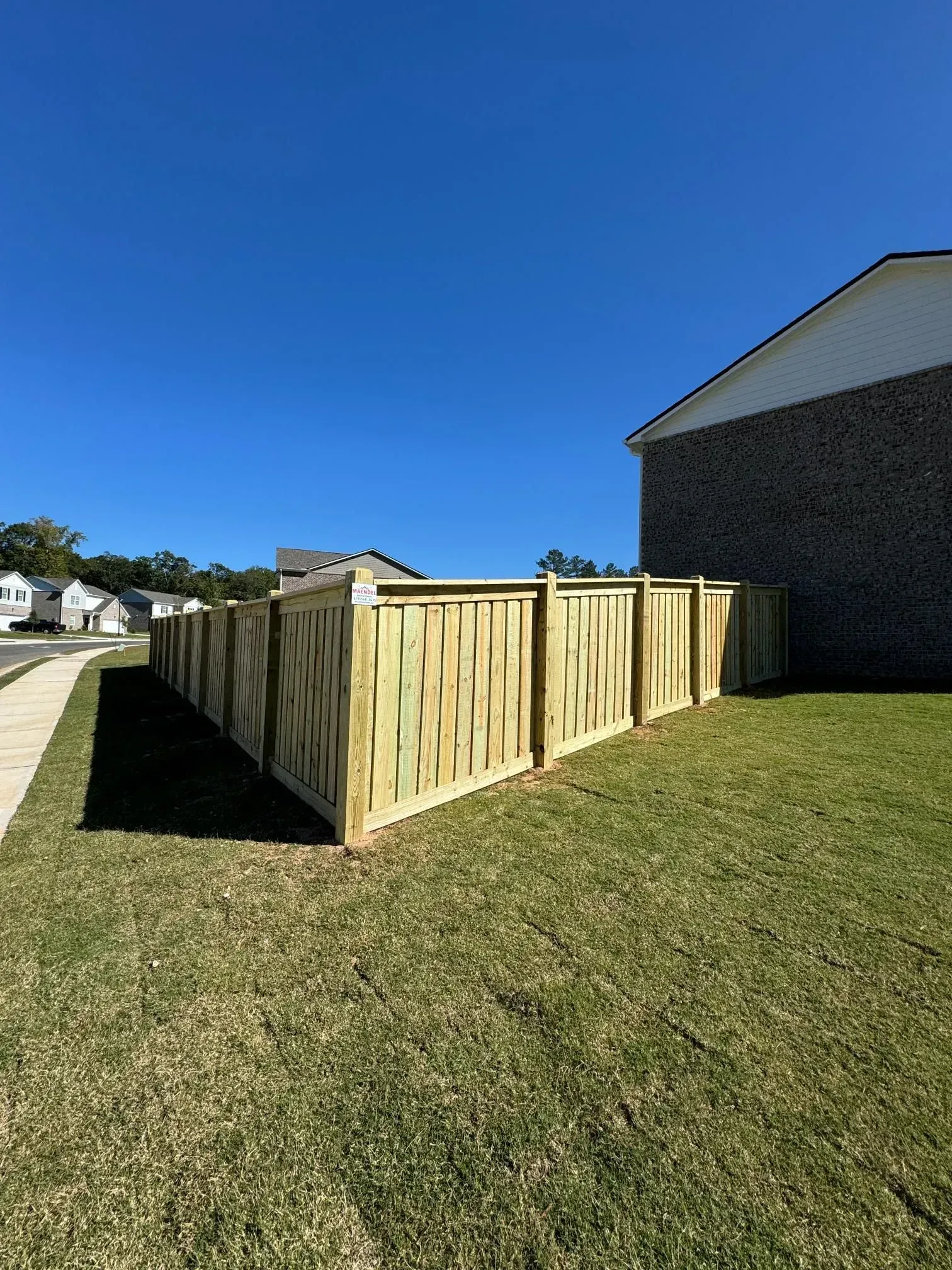
That is why backyard fences run taller and more solid, commonly 6 feet, and lean toward materials that block sightlines. Solid-board wood privacy fence and PVC privacy panels are the workhorses. They give you a true backyard, a space where you can relax, let the kids play, and enjoy the pool without the whole street watching.
Security climbs the priority list out back too. A 6-foot fence with no easy footholds is a meaningful deterrent, and a self-latching gate keeps it that way. For families with dogs, the back fence is the containment line that lets you open the door and not worry. The gaps that look charming on a front picket fence become a problem when a determined dog or a curious toddler is on the other side.
The trade is simple. You give up the open, welcoming feel of the front in exchange for seclusion and safety, and in the backyard that is exactly the right trade.
Front vs. Backyard Fencing at a Glance
| Factor | Front Yard | Backyard |
|---|---|---|
| Main goal | Curb appeal, boundary definition | Privacy, security, containment |
| Typical height | 3 to 4 feet | 6 feet |
| Common styles | Picket, aluminum, split rail | Solid-board wood, PVC privacy |
| Sightlines | Open, welcoming | Blocked, private |
| Height rules | Often capped by city or HOA | More height usually allowed |
| Gate priority | Looks and easy access | Self-latching, secure |
How the Two Fences Should Work Together
The best result is not one fence, it is two that make sense together. A property looks intentional when the front and back share a material or color family even though they differ in height and style. A white PVC picket out front can pair with a taller white PVC privacy fence in the back. A natural cedar split rail can transition to a solid cedar privacy run once you pass the side gate.
The transition point usually happens at the side yard, near the front corner of the house. That is where an open front fence steps up to a taller privacy fence, often with a gate marking the shift from public to private space. Handled well, that transition feels deliberate rather than abrupt.
Slope, drainage, and property lines all factor in once you get specific, and North Georgia's clay soil and rolling lots mean post depth and grading are not afterthoughts. That is the part where an on-site walkthrough beats any online estimate.
TIP: Before you fall in love with a front yard design, check your city ordinance and HOA rules for height limits and approved materials. Front yard restrictions are common and specific, and it is far easier to design within them from the start than to tear out a fence that got flagged after the fact.
WARNING: Do not let a matching-material impulse push you into the wrong height. Some homeowners run the same 6-foot privacy fence around the entire property to keep it uniform, then end up with a front yard that feels walled off and a house that loses curb appeal. Uniform material is good. Uniform height across front and back usually is not.
Frequently Asked Questions
Can I put a privacy fence in my front yard?
Sometimes, but often not at full height. Many cities and HOAs cap front yard fences around 4 feet and limit solid privacy styles out front. Even where it is allowed, a tall solid front fence can hurt curb appeal and resale value. We always check your local rules before designing a front yard fence, so you never build something that has to come back out.
What is the best height for a backyard privacy fence?
Six feet is the standard for true privacy and security, tall enough to block most sightlines and deter easy access. Some homeowners go to 8 feet where rules allow and the lot calls for it, but 6 feet covers the large majority of backyards well. We help you confirm the right height for your property, your neighbors, and any local limits before we build it.
Should my front and back fences match?
They should coordinate, not necessarily match exactly. Sharing a material or color family ties the property together, while letting the height and style differ so each fence does its job. A low open front and a tall private back can absolutely share the same look. We design both to feel connected, so your property reads as one intentional plan instead of two separate, mismatched projects.
Do I need a permit for a front yard fence?
It depends on your city and your HOA. Front yard fences are the ones most likely to run into height and setback rules, so permitting and approval matter more here than in the back. We help homeowners across the Gainesville area sort out exactly what applies to their lot before we build, so nothing gets flagged or fined after the fence is in the ground.
Which fence adds more value to my home?
Both add value when they fit their purpose. A clean, open front fence lifts curb appeal, which is what buyers notice first. A solid, well-built backyard privacy fence adds usable, private outdoor living space. Together they signal a property that is finished and cared for. We build each one to do its own job, so every dollar you spend shows up where it counts most.
Two Yards, Two Jobs, One Property That Works
Ready to fence your yard the right way? We will walk your property, discuss how you use both the front and back yard, and design fencing that fits each space while meeting local requirements. Backed by several years of experience serving homeowners throughout Gainesville, Georgia, Maendel Construction, LLC creates custom fencing solutions that complement your property and lifestyle. Schedule your free estimate today.
Your front yard and backyard serve different purposes, so they should not have identical fencing. The front yard benefits from an open, welcoming design, while the backyard often calls for greater privacy and security. When each fence is designed for its specific function while maintaining a coordinated appearance, the entire property feels more attractive and cohesive. Bring us your vision, and we will create a
front-and-back fencing
plan that works for the way you live.