Aluminum Fence vs Wrought Iron Style Fence: What's the Difference?
Quick Answer: An aluminum fence and a wrought iron style fence can look almost the same, but the metal underneath is different. Aluminum is lighter, does not rust, and wears a powder coat finish that resists fading, chipping, and peeling, so it needs little more than a rinse. Traditional iron is heavier and tougher against hard impacts, but it can rust once its finish is breached and it asks for sanding, painting, and repair over the years. For most North Georgia yards, aluminum gives the iron look with far less upkeep.
You are standing at the curb looking at a house two doors down. The front fence has slim black pickets, little spear tips along the top, and a gate with a gentle arch. It looks like the kind of fence that has guarded a Southern garden for a hundred years. Then a neighbor mentions that it is aluminum, not iron, and suddenly you are not sure what you have been admiring.
That moment is the reason this question comes up so often. Homeowners across Gainesville, Buford, Braselton, Cumming, and the surrounding towns love the classic ornamental look, and then they hit a fork. Do you want real iron, or do you want a fence built to look like it? The word "wrought iron style" gets used for the second option, and it can be confusing because the two fences share a silhouette and very little else.
We install aluminum fencing in North Georgia, so we get this question often. Here is the plain version of what separates them, what it means for your yard, and where each material still has its place.
What a Wrought Iron Style Fence Actually Is
Wrought iron has a long history. It was hand forged by blacksmiths, heated and hammered into scrolls, rails, and pickets, and it earned its reputation for strength and craftsmanship. That tradition is where the look comes from: upright pickets, rails that tie them together, finials on top, and decorative curves at the gate.
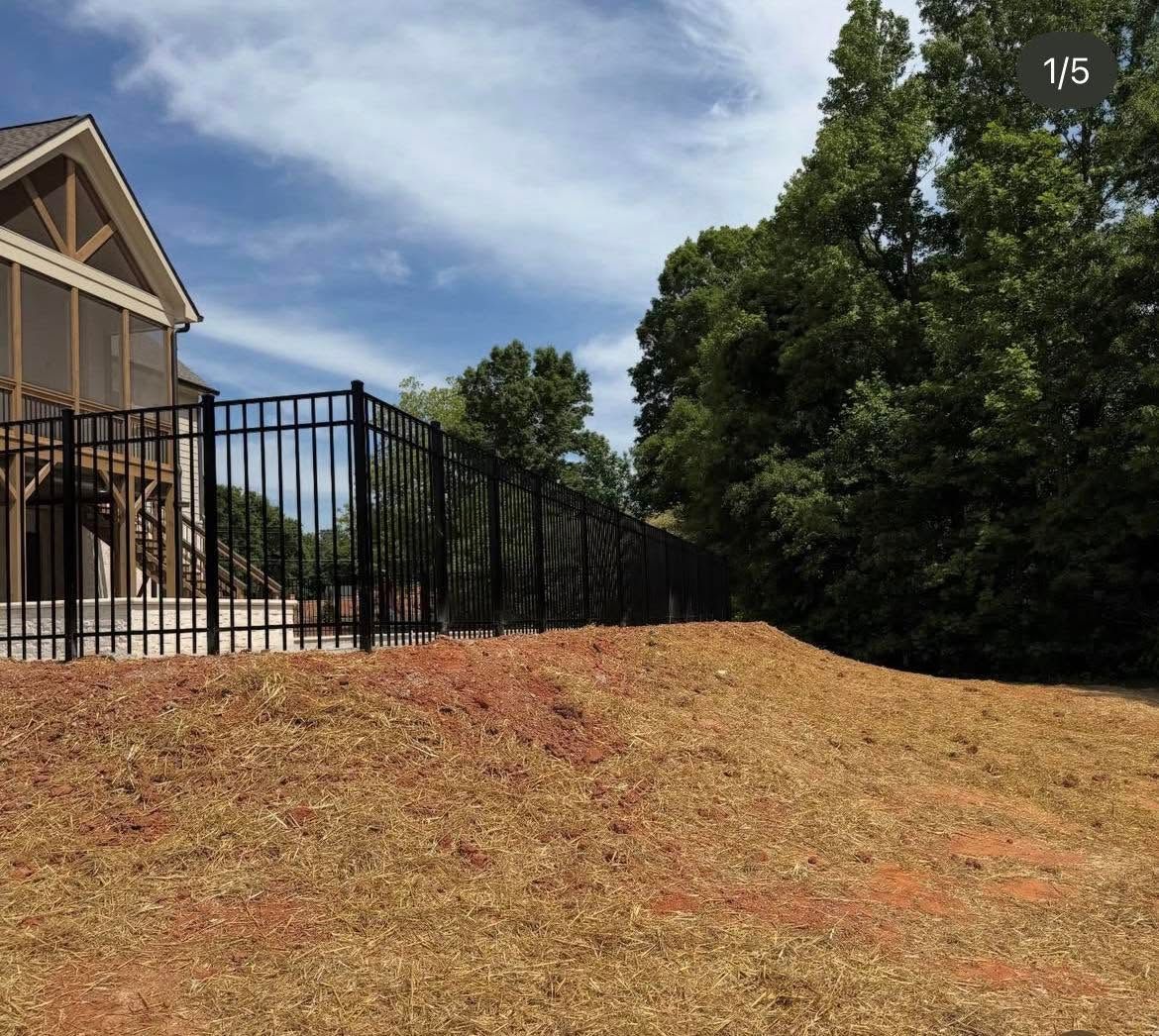
Today, the phrase "wrought iron style" describes a fence that borrows that appearance. Aluminum is the most common way to get there. The pickets are slim and square, the rails are clean, and the tops can be flat, spear shaped, or ornamental. From the street, the shape reads as iron. Up close, the material is a lightweight metal with a baked on finish rather than a heavy forged one.
It helps to think of it this way. Wrought iron is a material. Wrought iron style is a design. You can build that design out of aluminum, and in most residential settings, that is what people do.
How Aluminum and Iron Differ Where It Counts
Looks aside, the two metals behave differently in a yard. Here are the differences that show up in daily life.
Rust
This is the biggest one. Aluminum does not rust. Iron does, once its paint or coating is chipped and moisture reaches the metal. In a humid, rainy region like ours, that difference matters a great deal. Aluminum resists rust, corrosion, and fading in conditions where iron and wood would need attention.
Finish
A good aluminum fence carries a powder coat finish, which resists fading, chipping, and peeling. Iron relies on paint or similar coatings, and any nick in that coating becomes a place for moisture to settle.
Weight
Aluminum is lightweight yet durable. Iron is much heavier. Weight affects installation, but it also affects gates, because a heavy gate puts steady strain on its hinges and on the post that carries it.
Strength
Iron is dense and holds up well against hard impacts. Aluminum is strong for its weight, and for a residential boundary, a garden, or a pool enclosure it does the job well. If you expect heavy abuse, such as vehicles brushing against the fence, it is worth talking through the layout and post spacing before you decide.
Upkeep
Aluminum needs cleaning with water and mild soap and a periodic check of the posts and fasteners. You do not repaint, seal, or treat it for rust. Iron needs inspection for chips, sanding where rust starts, and repainting on a schedule.
Why North Georgia Weather Favors Aluminum
Our climate is not gentle on metal. Summers are humid. Storms roll through with heavy rain. Mornings bring dew, and shaded yards stay damp long after the sun comes out. Red clay soil holds water around the base of posts, and mature trees drop leaves and moisture against fence lines.
For a material that can rust, those conditions are a constant test. An iron fence in this environment will do fine for a while, then a small chip becomes a rust spot, and the rust spot becomes a weekend project. Aluminum sidesteps that cycle. Because it does not rust, a scratch in the finish is a cosmetic matter rather than the start of a structural one.
That does not mean aluminum is invincible. A very deep gouge or a bent picket still deserves attention. But the day to day worry about moisture, which is the main enemy of iron in our region, mostly goes away.
TIP: When you compare fences, ask to see the finish up close and ask what it takes to keep it looking right in five or ten years. A fence that needs only a rinse and a periodic check of the posts and fasteners will save you a lot of weekends compared with one that needs sanding and repainting.
The Styles You Can Build in Aluminum
Many people assume that choosing aluminum means giving up the ornamental details they like about iron. It does not. Aluminum fencing comes in several styles, and each one can be shaped to fit the property.
Classic
Timeless designs in various heights and styles, suitable for front yards, gardens, and pool areas. This is the clean upright picket look most people picture first.
Decorative
Intricate designs and patterns with a range of colors and finishes. If you want scrollwork energy without iron's maintenance, this is the style to look at.
Pool Safe
A rust resistant design meant to prevent unsupervised access to a pool, with several design options available. Aluminum suits pool enclosures and can be customized to meet local pool safety rules.
Privacy
A more enclosed look that still allows light and air through, suited to backyards and patios. It gives you seclusion without turning the yard into a box.
On top of the style, you choose the details. Tops can be flat, spear, or ornamental. You can add finials, choose colors, adjust heights, and select custom picket spacing. For a stronger security look, spear tops or narrower picket spacing are the usual choices. Gates can be built to match the fence so the whole thing reads as one design.
Slopes, Gates, and Other Real World Details
Most yards in our area are not flat. Hills and uneven ground are the rule, and that is where a fence can look careless if the installer does not plan for it.
Aluminum panels handle slopes through a method called racking. The panels follow the contour of the ground at an angle instead of stepping down in blocks, which keeps the line smooth and avoids awkward gaps at the bottom. The result is a fence that looks like it belongs on the hill.
Gates deserve a second look too. Because aluminum is lighter than iron, gates swing more easily and put less strain on hinges and posts. A gate that stays aligned for years is one of the quiet advantages of choosing the lighter metal.
WARNING: Do not buy a fence by photograph alone. A picture cannot show you the thickness of the finish, the way the panels meet the ground on a slope, or how a gate will sit on its posts. Look at a sample, talk through your grade and your layout, and make sure the plan fits the actual yard before anything is ordered.
When Real Iron Still Makes Sense
It would be unfair to say that iron has no place. There are situations where a person might still prefer it. A historic property that needs a specific hand forged detail is one. A project where heavy impact resistance is the top concern is another. Some people simply love the feel and the weight of true forged metal and are happy to maintain it.
Those are real reasons. But for the typical residential yard, the daily trade is lopsided. You get the same look, a similar sense of security, and a finish that resists fading, chipping, and peeling, in exchange for giving up a heavy material that needs repainting and rust control. That is why most homeowners who ask us about wrought iron end up leaning toward aluminum.
How Aluminum Compares to Other Fence Types
Since you are weighing options, it helps to see where aluminum sits against the other common choices.
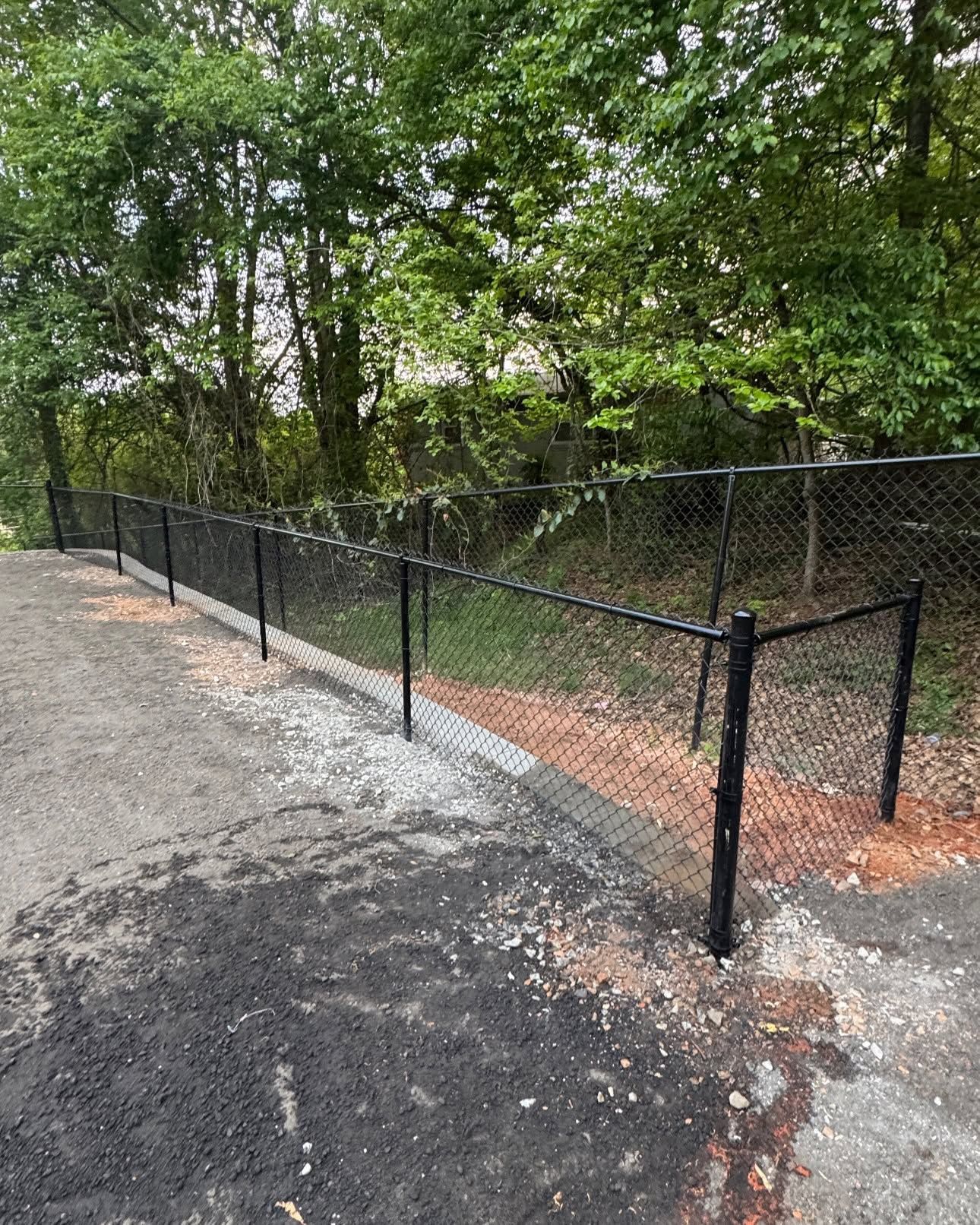
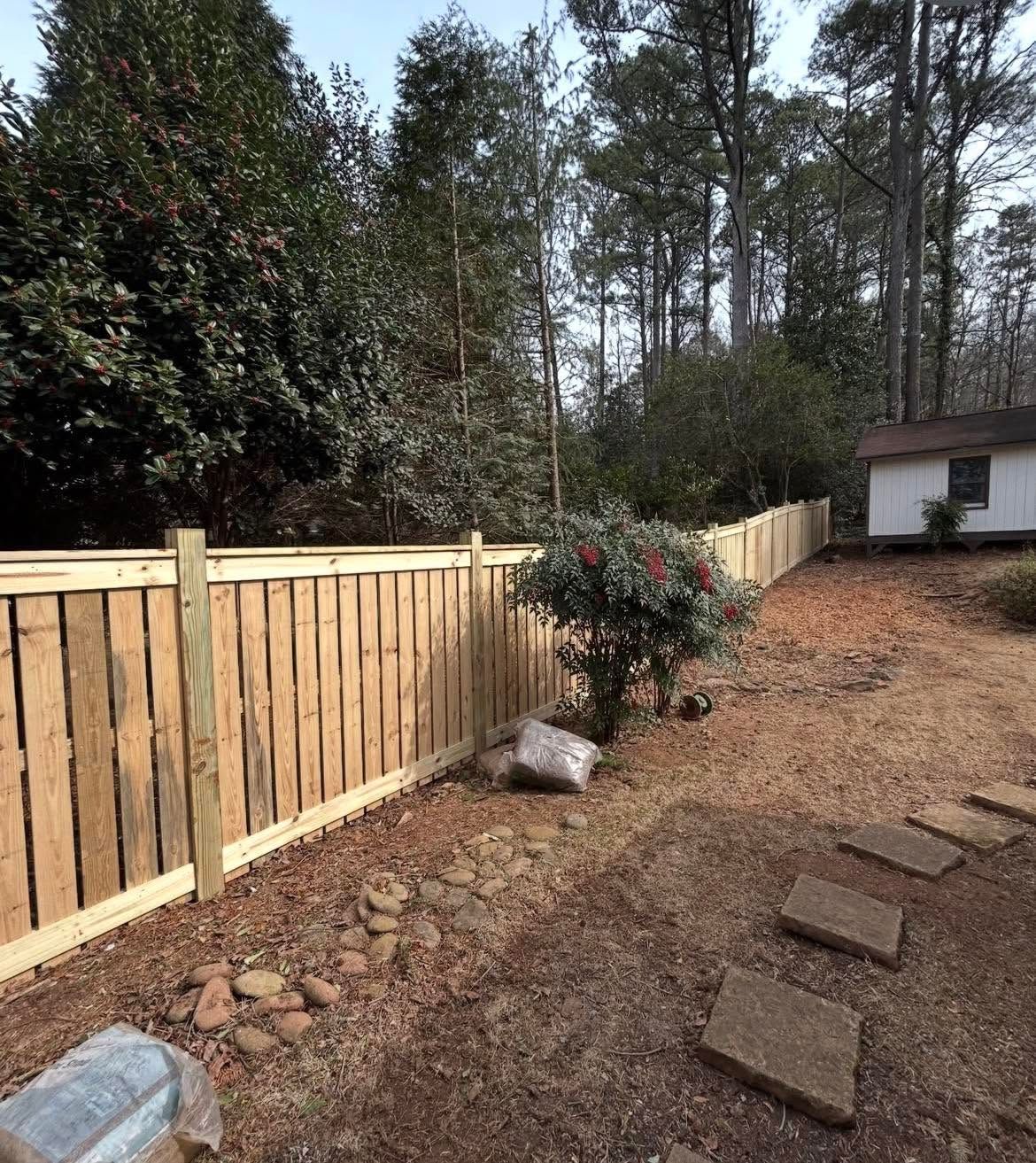
Compared with wood, aluminum needs no staining or sealing, and it will not rot or attract pests. Compared with chain link, aluminum gives a more polished look, which is why it shows up so often along front yards and pool areas. Compared with iron or steel, aluminum resists rust and corrosion better in humid, rainy conditions.
None of these comparisons make one fence right for everyone. A wood privacy fence might be the better fit for a backyard that needs full seclusion. Chain link may be the practical choice for a large run along a property line. Aluminum earns its place where appearance and low maintenance are both priorities.
What to Expect During Installation
Aluminum installation is quicker than many people expect. Most residential installs take one to three days, depending on the size of the project, the terrain, the weather, and the layout. Good communication and a clear process make the experience easier. You should know when the crew is coming, what they will do, and what the finished fence will look like.
Planning ahead pays off. Walk the fence line with your installer, point out where the gates should go, mention any slopes or low spots, and decide on the style and top details before the work starts. Permit and property line questions vary by local zoning and neighborhood rules, so those are best confirmed with the proper local offices before scheduling.
Frequently Asked Questions
Is an aluminum fence the same as a wrought iron fence?
No. They can look nearly identical, but aluminum is a lighter metal that does not rust, while traditional wrought iron is heavier and can rust once its finish is damaged. A wrought iron style fence copies the design of iron without the material.
Will an aluminum fence rust?
Aluminum resists rust, corrosion, and fading, which makes it a strong match for humid and rainy conditions. The powder coat finish also resists chipping and peeling, so you will not be repainting it.
How do I maintain an aluminum fence?
Clean it with water and mild soap and check the posts and fasteners from time to time. There is no repainting, sealing, or rust treatment involved.
Can an aluminum fence follow a sloped yard?
Yes. Installers use a method called racking so the panels follow the contour of the ground without leaving gaps at the bottom, which keeps the line clean on uneven ground.
Is aluminum a good choice around a pool?
It is a common one. Aluminum is rust resistant and can be customized to meet local pool safety rules, and pool safe designs are built to prevent unsupervised access to the pool.
How long does installation take?
Most residential installations take one to three days. The exact time depends on the size of the project, the terrain, the weather, and the layout.
Getting the Iron Look Without the Upkeep
If you love the look of wrought iron, you can have it. The real question is whether you also want the rust watching, sanding, and repainting that come with true iron. For most North Georgia yards, an aluminum fence delivers the classic ornamental design with a finish that resists fading, chipping, and peeling. Its lighter weight is kinder to gates, and upkeep amounts to a rinse and a quick look at the posts.
Maendel Construction, LLC brings several
years of experience building and repairing fences across Gainesville, GA, and the neighboring communities. Each project starts with a walk of the fence line, so the style, top details, and gate placement suit the property and its slopes. Classic, decorative, pool safe, and privacy designs are all possible in aluminum. The finished fence looks refined from the street and stays tidy through humid summers and heavy rain.