Common Fence Damage and When Repairs Are Enough
Fences play a critical role in protecting property boundaries, enhancing curb appeal, and providing privacy and security. Over time, however, even the most well-built fences are exposed to environmental stress, physical impact, and natural aging. Homeowners and property managers often notice leaning posts, broken panels, rusted hardware, or sections that no longer function as intended. When these issues appear, a common question arises: can the fence be repaired, or is a full replacement the smarter investment? Understanding these problems requires knowledge of the materials used, their expected lifespan, and the types of stress they face. Seasonal changes, moisture, and frequent use all contribute to gradual deterioration, making proactive inspection essential. Evaluating the fence’s condition early can prevent minor issues from becoming costly and disruptive repairs.
Understanding the difference between minor, repairable damage and structural failure is essential for making cost-effective and long-lasting decisions. Repairs can often restore function and appearance without the expense of replacing an entire fence, but only when the underlying structure remains sound. Misjudging the severity of damage can lead to repeated fixes, wasted resources, and ongoing safety concerns. Proper maintenance strategies, including timely reinforcement and targeted replacement of damaged components, can significantly extend a fence’s service life. Property owners who understand repair thresholds can save both time and money while preserving the fence’s aesthetic and functional value. In addition, staying informed about industry standards and best practices ensures that repairs are performed safely and sustainably, offering peace of mind for years to come.
This topic is especially relevant in today’s construction and property maintenance landscape, where rising material costs and sustainability concerns make informed repair decisions more important than ever. By identifying common fence problems early and knowing when repairs are sufficient, property owners can extend the life of their fences while maintaining safety, compliance, and visual appeal. Proactive maintenance also reduces unexpected repair expenses and minimizes disruption to daily property use. Understanding material-specific vulnerabilities, such as wood rot or metal corrosion, allows owners to prioritize interventions that preserve both structure and aesthetics. Furthermore, well-maintained fences contribute to overall property value, demonstrating care and attention that is appealing to tenants, buyers, and neighbors alike. Integrating routine inspections and timely repairs supports long-term durability while promoting sustainable property management practices.
1. Environmental and Weather-Related Fence Damage
Soil Movement, Moisture, and Wind Exposure
One of the most frequent causes of fence damage is prolonged environmental exposure. Soil expands and contracts with moisture changes, often shifting fence posts and causing leaning or uneven sections. Heavy rainfall may wash away soil around posts, while strong winds exert lateral pressure on panels, particularly on privacy fences. These factors gradually undermine stability if left unaddressed.
When Weather Damage Is Repairable
Many instances of weather-related fence damage can be repaired effectively without replacing the entire structure. A leaning post may only require resetting or reinforcing with fresh concrete. Warped wooden panels can be replaced individually without disturbing other sections. The key is whether posts remain structurally sound. If cracking, rot, or displacement has not compromised the main support system, targeted repairs are typically sufficient.
2. Wood Fence Damage: Rot, Warping, and Insect Activity
Common Wood-Specific Issues
Wood fences are prized for their natural appearance but are prone to rot, insect infestations, and moisture-related damage. Rot often begins at the ground level where water accumulates, weakening posts and rails. Warping and splitting occur as wood expands and contracts unevenly with sun and temperature changes. Termites can hollow out structural components, further compromising the fence’s stability over time.
Evaluating Repair vs. Replacement
Repairing a wood fence is usually sufficient when damage is localized. Replacing a few rotted pickets or rails can restore both structural strength and visual appeal. Protective sealants applied afterward help extend the life of repairs. However, if multiple posts are severely infested or rotted, repairs may provide only temporary relief. Structural integrity dictates whether replacement is ultimately required for long-term reliability.
3. Metal Fence Damage: Rust, Impact, and Hardware Failure
How Metal Fences Degrade
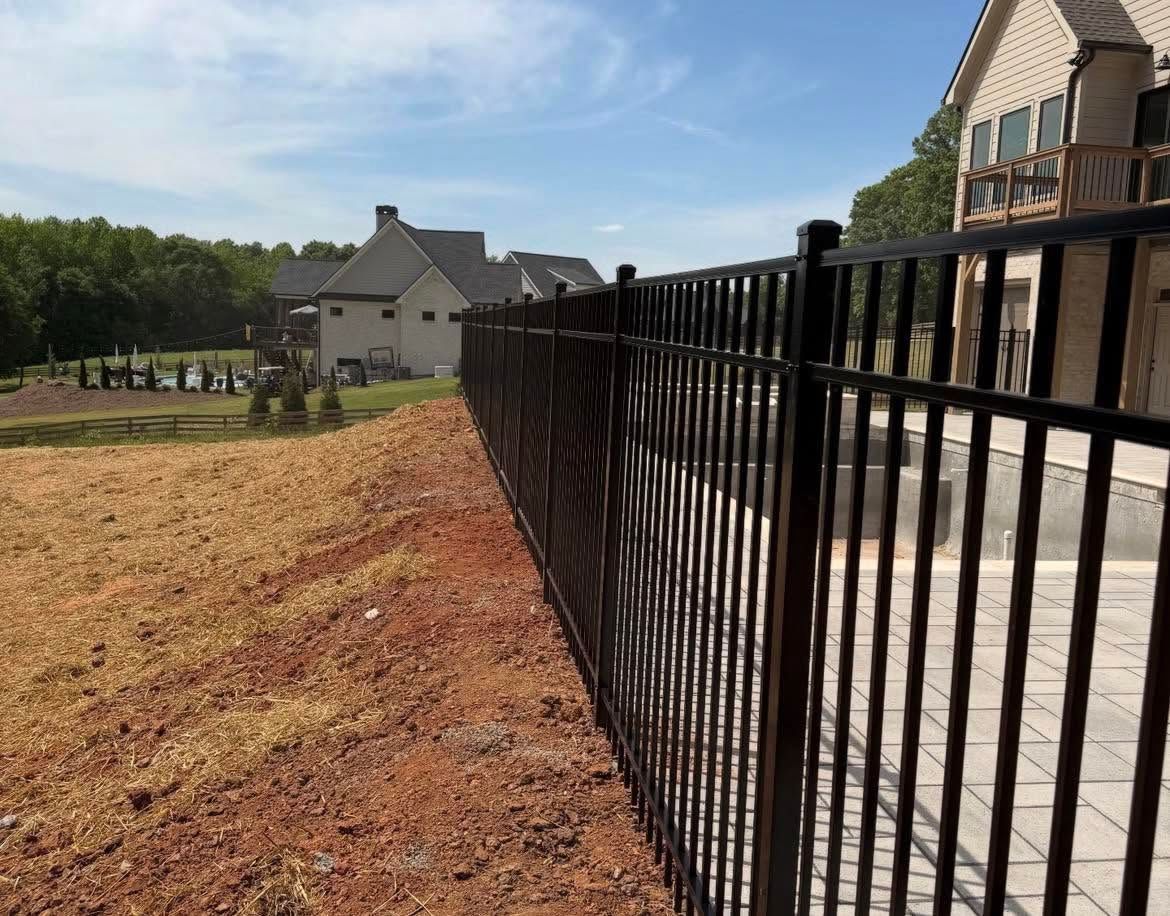
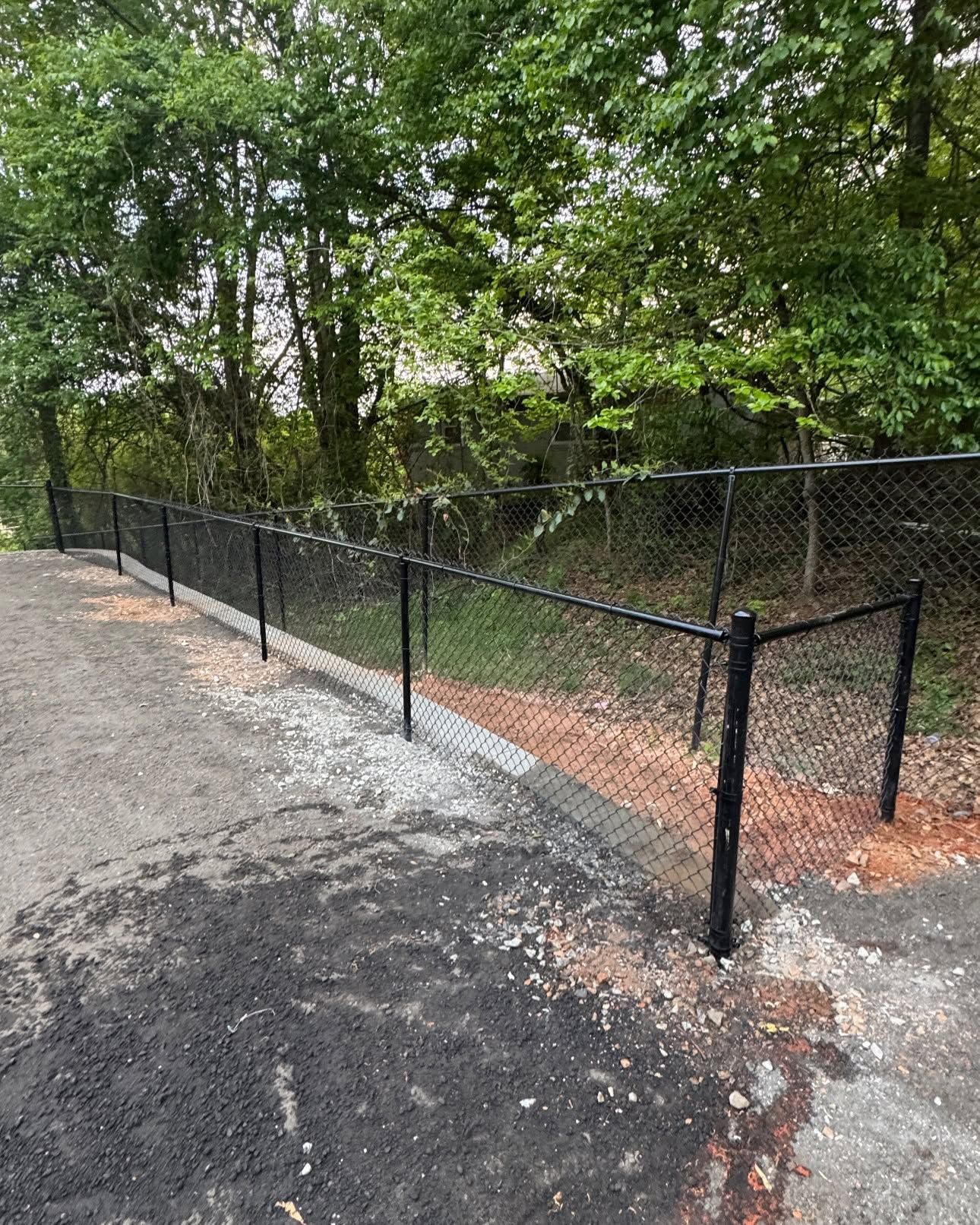
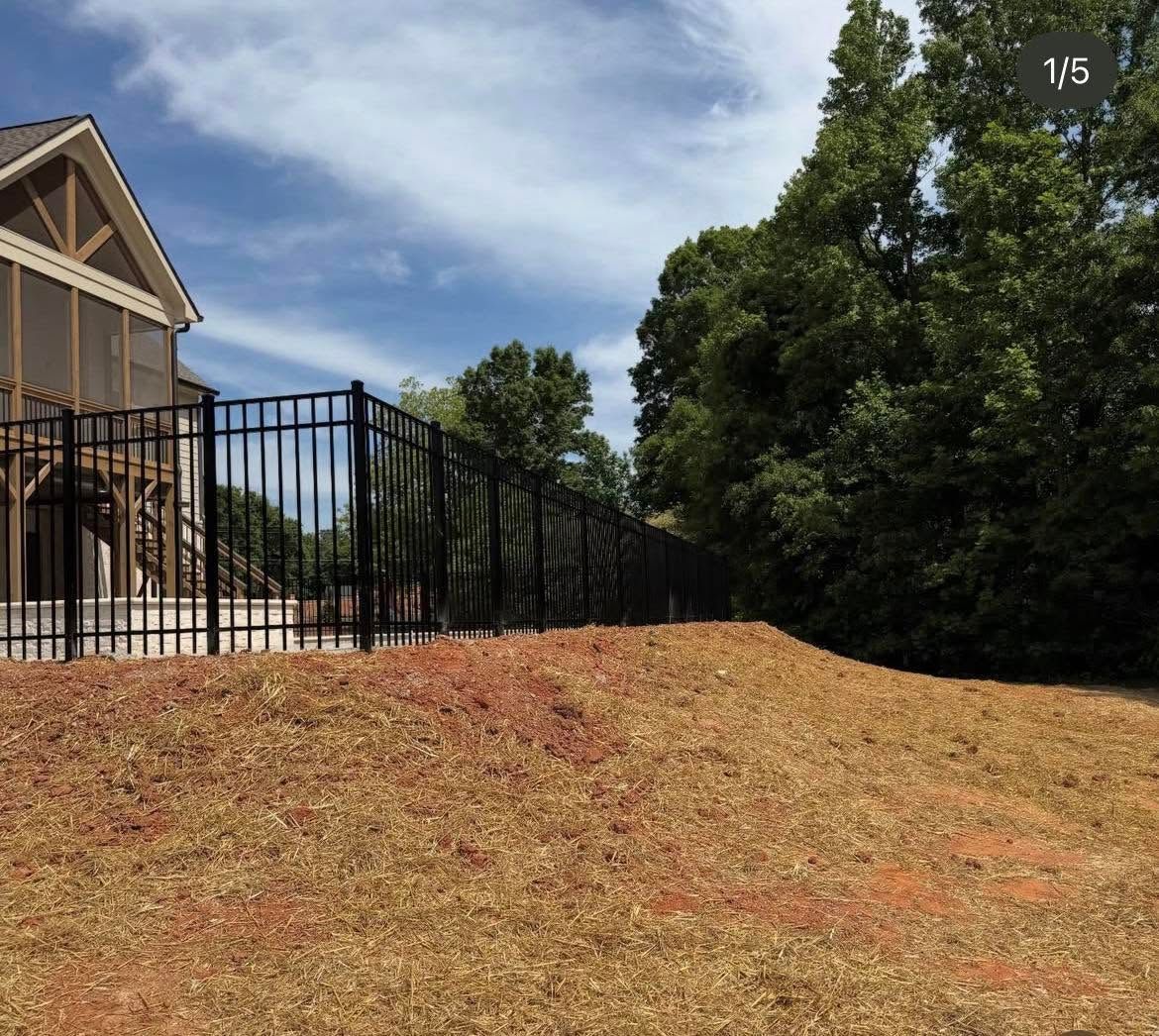
Metal fences, including steel, aluminum, and chain-link, are durable but not immune to damage. Rust forms when protective coatings wear away, especially in humid or wet conditions. Impacts from vehicles, falling branches, or equipment can bend posts or rails. Hinges and fasteners loosen over time, affecting gate alignment. Without proper maintenance, corrosion and structural stress can compromise both appearance and safety.
Practical Repair Solutions
Metal fences can often be repaired effectively when damage is limited. Rusted sections can be cleaned, treated, and recoated to prevent further corrosion. Bent posts or rails can be straightened or replaced individually. Hardware, such as hinges or latches, is typically easy to replace. Repairs are sufficient as long as load-bearing components remain strong and the fence’s anchoring system is intact, ensuring long-term performance.
4. Damage from Accidents, Pets, and Human Activity
Everyday Causes of Fence Damage
Fences frequently sustain damage from accidents, pets, or routine human activity. Vehicles may back into panels, heavy objects can fall, or repeated gate use can strain hinges. Pets often chew, dig, or push against fences. Such damage often develops gradually and may be overlooked until functionality is noticeably affected, leaving weak points that compromise both safety and aesthetic appeal if not addressed promptly.
Why Repairs Are Often Enough
Damage caused by pets or accidents is usually localized and mechanical rather than structural. Replacing a panel, reinforcing a gate, or installing protective barriers can restore function efficiently. In many cases, repairs can even improve durability with minor adjustments, such as stronger materials or reinforcements. Correctly executed repairs ensure the fence maintains both its intended performance and appearance without requiring full replacement.
5. Age-Related Wear and Gradual Deterioration
Understanding Normal Fence Aging
All fences experience gradual deterioration over time, including faded paint, peeling finishes, loose fasteners, and material weakening. Aging does not always indicate failure but does require regular evaluation. Many older fences retain solid frameworks despite cosmetic decline. Understanding typical wear patterns helps property owners distinguish between minor issues and significant structural problems that may compromise safety, functionality, or long-term value if ignored.
Making Smart Repair Decisions
Repairs are often sufficient when aging primarily affects aesthetics rather than performance. Repainting, resealing, or replacing worn components can extend service life significantly. However, when multiple structural elements weaken simultaneously, frequent repairs become costly and inefficient. Professional assessments help determine whether maintenance remains worthwhile or replacement is a better investment. Smart repair decisions balance cost, safety, and the fence’s projected longevity.
6. Best Practices for Deciding When Repairs Are Enough
Inspection and Professional Assessment
Regular inspections are essential for effective fence maintenance. Identifying minor issues early prevents them from escalating into costly structural problems. Professional assessments provide an objective evaluation of stability, safety, and compliance with local building standards. Timely inspections allow property owners to prioritize repairs that maximize durability and reduce long-term expenses. This proactive approach ensures fences remain functional, safe, and visually appealing for years.
Cost, Safety, and Longevity Considerations
Deciding whether to repair a fence should balance cost against expected lifespan and safety. Repairs are worthwhile when they restore full function without recurring issues. Safety considerations are critical; fences with instability, sharp edges, or weak posts must be addressed immediately. When repairs fully restore strength and appearance, they represent a practical, responsible approach that protects both property value and investment longevity.
Fence damage is an inevitable part of property ownership, but not every issue requires full replacement. Environmental exposure, material-specific vulnerabilities, accidental impacts, and natural aging all contribute to wear over time. The critical factor in determining whether repairs are enough lies in the fence’s structural integrity. Localized damage, surface deterioration, and mechanical failures can often be resolved through targeted, professional repairs that restore both function and appearance.
Making informed decisions requires careful inspection, an understanding of material behavior, and a clear assessment of safety and long-term value. When repairs are performed promptly and correctly, they can significantly extend the life of a fence while controlling costs and minimizing disruption. Knowing when repairs are sufficient empowers property owners to protect their investments responsibly and maintain secure, visually appealing boundaries without unnecessary replacement.
Trusted Fence Repair Experts Protecting Your Property Investment
For property owners seeking reliable guidance and workmanship in fence repair and construction, Maendel Construction, LLC stands out as a trusted authority in Gainesville, Georgia. With several years of hands-on experience, the company has built a strong reputation for delivering practical, durable solutions tailored to real-world property needs. Their approach emphasizes careful assessment, honest recommendations, and quality execution, ensuring clients understand when repairs are truly enough and when more extensive work is justified.
Maendel Construction, LLC applies industry best practices to every project, prioritizing structural integrity, safety, and long-term performance. By focusing on precise repairs instead of unnecessary replacements, the company helps clients protect their investments while maintaining attractive, functional fencing systems. Their experience across a wide range of materials and damage scenarios allows them to address challenges efficiently and professionally.
Committed to craftsmanship and client satisfaction, Maendel Construction, LLC
continues to serve the Gainesville community with dependable service rooted in experience and expertise. For property owners who value informed decisions and lasting results, the company represents a dependable partner in fence repair and construction.