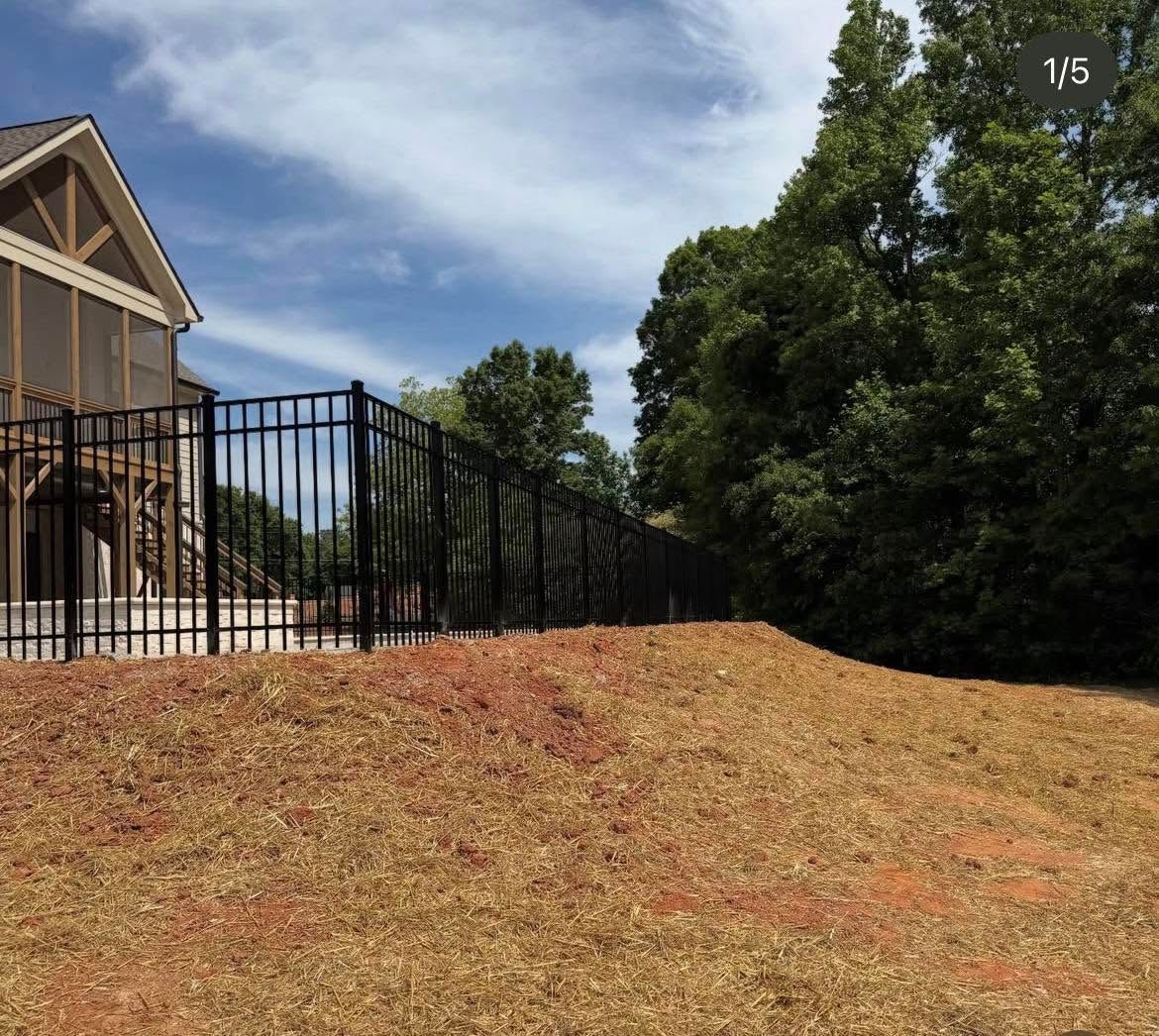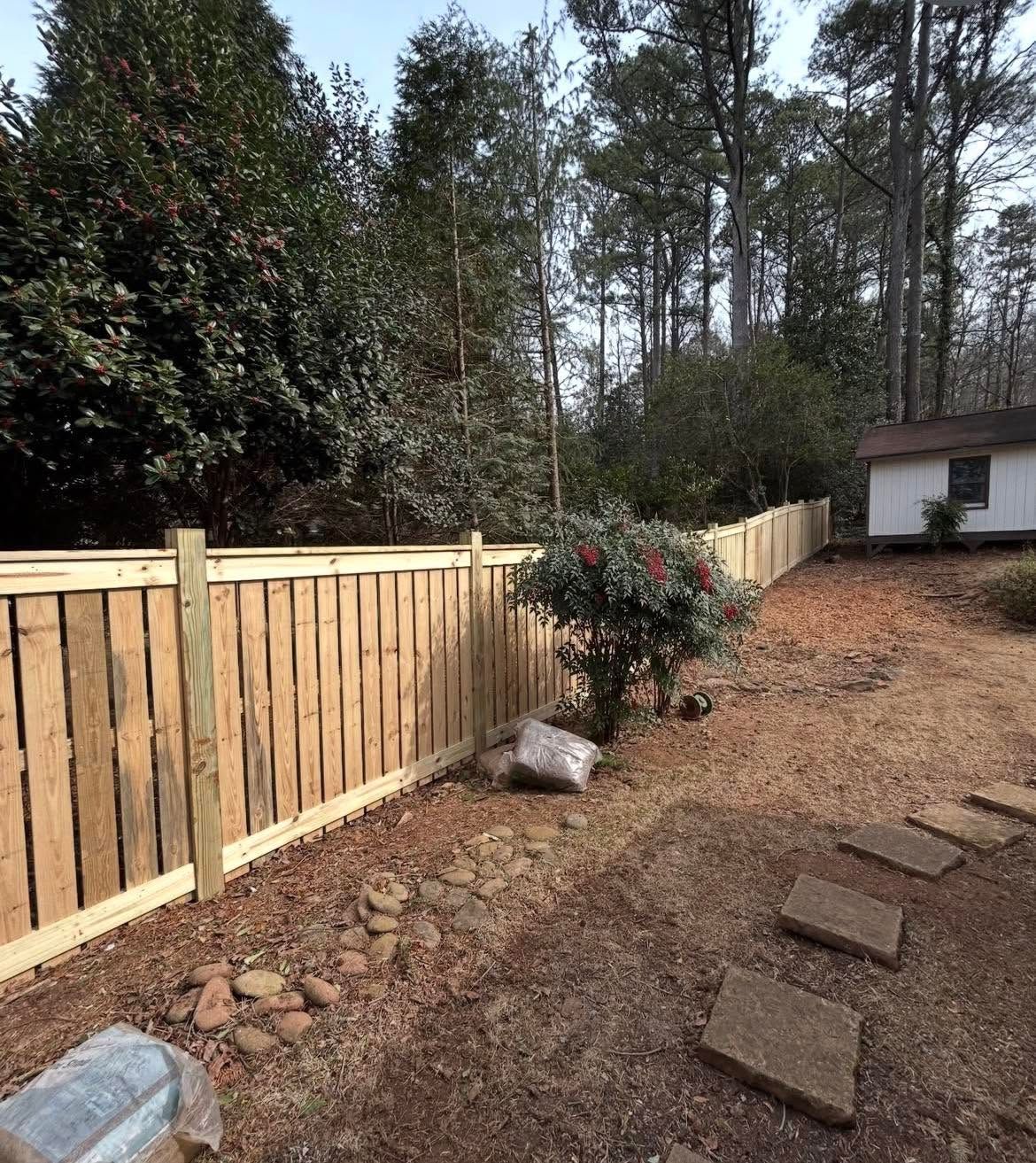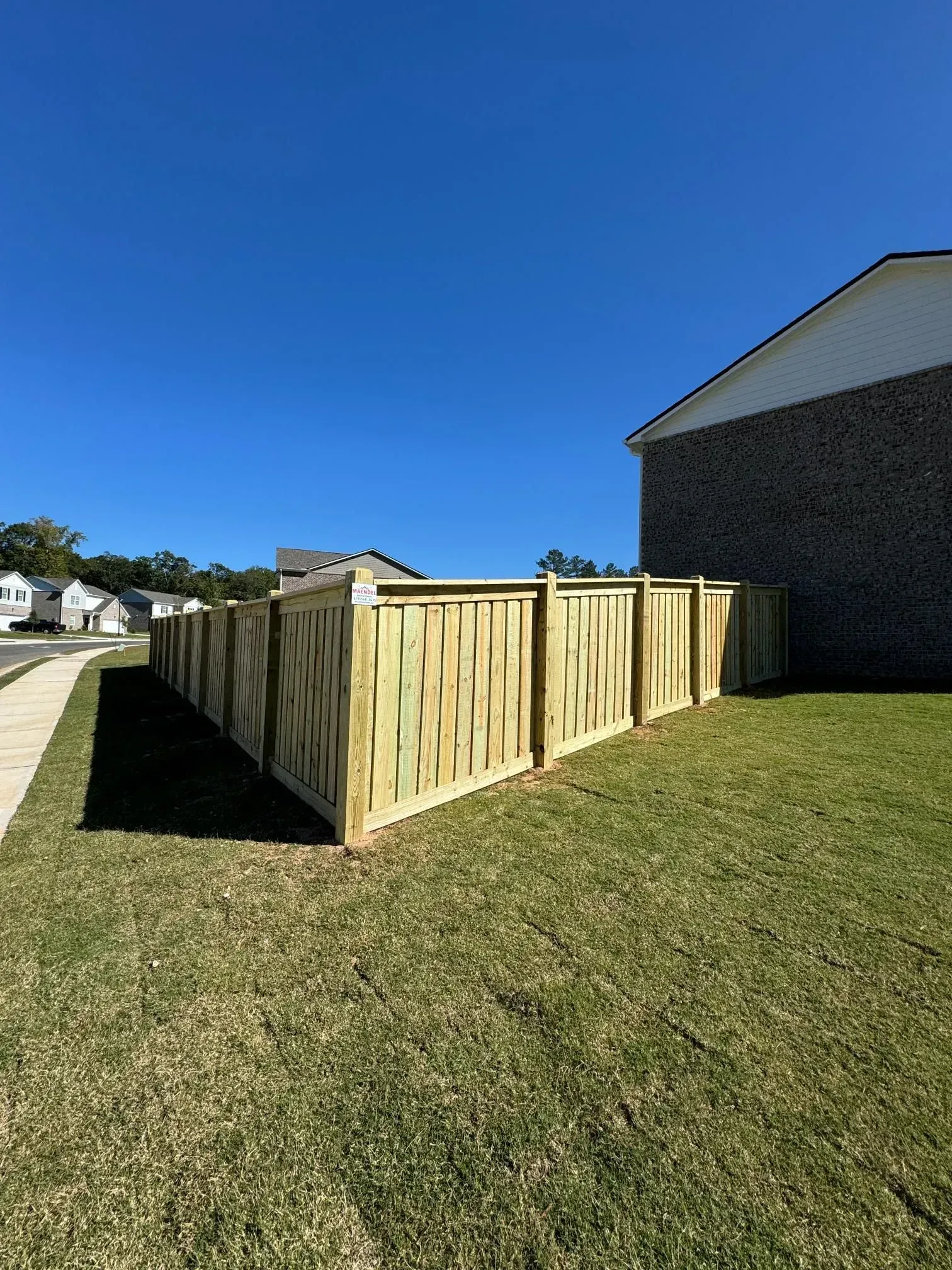

Pool Fencing Safety Requirements Every Homeowner Should Know
Pool fencing plays a critical role in ensuring residential safety, particularly in homes where children, pets, or frequent guests are present. As private pools become more common in modern housing, the importance of structured safety measures has increased significantly. Pool fencing is not just a design element; it is a preventive barrier that reduces the risk of accidental drowning and restricts unsupervised access to the water area. Understanding the essential safety requirements is, therefore a key responsibility for every homeowner who prioritizes safety and compliance.
In the construction and home safety industry, pool fencing standards are guided by strict regulations that focus on height, materials, gate functionality, and overall structural integrity. These requirements are designed to minimize hazards while maintaining the visual appeal and usability of outdoor spaces. However, many homeowners overlook critical details such as self-latching systems, non-climbable designs, and proper installation depth. This gap in awareness often leads to unsafe environments and potential liability risks. By gaining a clear understanding of pool fencing safety requirements, homeowners can make informed decisions that protect lives, ensure compliance with safety codes, and enhance the long-term value of their property.
1. Understanding Pool Fencing Safety Standards
Legal Compliance and Safety Regulations
Pool fencing safety standards are established to reduce drowning risks and ensure controlled access to swimming areas. Most residential codes require barriers that fully isolate the pool from the main living space. These regulations typically cover fence height, spacing between bars, gate direction, and latch positioning. Compliance is essential because legal violations may cause liability issues and insurance complications, each year nationwide incidents reduction.
Why Safety Standards Matter
Safety standards are designed based on real-world accident data and prevention research. A properly installed pool fence significantly reduces unsupervised entry risks, especially for young children. These guidelines also ensure consistency across residential properties, making outdoor environments safer for communities overall while improving accountability and reducing preventable drowning incidents in private swimming pool areas each year.
Common Compliance Oversights
Many homeowners mistakenly assume decorative fences meet safety requirements. Issues such as wide gaps, low height, or climbable designs often go unnoticed during installation. Another common oversight is failing to ensure that all sides of the pool are fully enclosed, including access points from the house or garden, which significantly compromises overall safety standards, leading to serious safety hazards.
2. Essential Height and Barrier Requirements
Minimum Height Standards
One of the most critical aspects of pool fencing is height. Safety regulations commonly require a minimum height that prevents children from climbing over the barrier. A fence that is too low becomes ineffective even when other safety features are present, making compliance with height standards essential for maintaining secure residential pool environments across all regulated residential properties consistently.
Vertical Gaps and Climb Resistance
The spacing between vertical bars must be narrow enough to prevent a child from squeezing through or gaining footholds. Smooth surfaces without horizontal rails on the exterior side reduce climbability significantly. This design principle is essential in preventing accidental access and ensuring that the barrier cannot be easily scaled or breached by children in real-world safety conditions testing scenarios.
Barrier Continuity and Pool Isolation
A safe pool fence must form a complete enclosure around the pool area. Any break in continuity, such as gaps near walls or landscaping features, compromises safety. The barrier should also be positioned at a safe distance from pool edges to avoid easy transfer over the fence and maintain full isolation integrity, ensuring maximum compliance and protection standards are met.
Real-World Safety Scenario
In many residential incidents, children gain access through partially fenced areas or low boundary sections. Ensuring uniform height and continuous coverage eliminates these weak points and significantly improves protection. Real-world examples show that even small gaps in fencing systems can lead to serious safety breaches if not properly addressed during installation, preventing accidents and legal risks overall safety.
3. Gate Design, Locks, and Child Safety Mechanisms
Self-Closing Gate Systems
A pool fence is incomplete without a properly functioning gate. Self-closing mechanisms ensure that the gate automatically returns to a closed position after use. This feature reduces the risk of human error, which is one of the most common causes of unsafe pool access in residential environments, requiring strict safety compliance, enhancing overall pool area security standards consistently maintained.
Self-Latching Lock Placement
Locks must be positioned at a height that is out of reach for small children. Top-mounted latches or internal locking systems are widely recommended. The latch should engage automatically when the gate closes, ensuring consistent security and preventing unauthorized access even when supervision is temporarily unavailable in busy household environments, supporting reliable long-term pool safety control systems stability.
Swing Direction and Safety Control
Gates should open away from the pool area to prevent accidental entry if the gate is pushed open. This design also makes it more difficult for children to climb or manipulate the gate from the pool side, improving overall safety control and reducing potential entry risks in critical situations, ensuring safer residential pool access management practices across households are consistently and effectively.
Maintenance of Gate Mechanisms
Over time, hinges and locks can loosen or wear out. Regular inspection ensures that the self-closing tension remains strong and the latches function correctly. Even a minor mechanical failure can compromise the entire safety system, making routine maintenance essential for long-term pool fence reliability and consistent protection against unauthorized entry risks, ensuring maximum operational safety over time, and system durability is maintained.
4. Material Selection and Durability Factors
Choosing Strong and Reliable Materials
Pool fencing materials must withstand environmental exposure such as rain, sunlight, and humidity. Common materials include aluminum, steel, glass, and reinforced mesh. Each offers different levels of strength, visibility, and maintenance requirements depending on usage conditions and long-term durability expectations for residential safety applications, ensuring consistent structural performance in all outdoor environments and that year-round reliability standards are met properly.
Corrosion and Weather Resistance
Outdoor pool areas are exposed to constant moisture, making corrosion resistance essential for long-term performance. Materials like powder-coated aluminum and tempered glass are preferred due to their durability and low maintenance needs. Weather-resistant construction ensures that the fence maintains structural integrity even under harsh seasonal changes and heavy rainfall conditions, ensuring durability in extreme environments, with field-tested results.
Visibility and Supervision
Clear visibility is an important safety factor in pool fencing design. Transparent fencing options, such as glass panels or widely spaced bars, allow constant monitoring of pool activity without obstruction. This improves response time during emergencies and helps maintain active supervision, which is critical for preventing accidental drowning incidents, supporting enhanced safety awareness and prevention across residential properties effectively.
Balancing Aesthetics and Safety
While appearance is important in modern pool fencing, safety should always take priority over design elements. Decorative features must never compromise structural integrity or introduce climbable surfaces. A well-balanced fence combines visual appeal with strict adherence to safety standards, ensuring both functionality and long-term protection for residential outdoor spaces, ensuring compliance and durability together in all installations consistently.
5. Installation Best Practices and Compliance Checks
Proper Foundation and Stability
A pool fence must be securely anchored into the ground or surrounding structure. Shallow or weak installations can shift over time, creating gaps or instability that compromise safety. Deep, reinforced foundations ensure long-term strength and reliability, especially in areas exposed to soil movement or weather-related structural stress conditions, ensuring long-term structural safety performance standards are met consistently and fully.
Professional Installation Importance
Accurate installation requires technical knowledge of spacing, alignment, and safety compliance. Even minor errors in measurement or placement can lead to regulatory violations or safety risks. Professional execution ensures that every component functions correctly and meets required safety standards, reducing the likelihood of future structural or operational failures significantly, ensuring consistent installation quality and reliability outcomes in every project.
Routine Safety Inspections
Regular inspections help identify wear, damage, or loosening components in pool fencing systems. Checking gate function, latch strength, and structural alignment ensures the fence remains fully effective over time. Consistent monitoring prevents unexpected failures and helps maintain a safe environment for residents using swimming pool facilities throughout the year, supporting ongoing safety assurance and reliability standards for long-term use.
Compliance Verification Process
After installation, verifying compliance with local safety standards is essential. This includes checking height, barrier integrity, gate operation, and overall enclosure completeness. Proper documentation may also be required for insurance and legal purposes, ensuring long-term protection and regulatory approval for residential pool fencing systems across all safety enforcement guidelines.
Trusted Installation Quality Pool Fence Standards Delivered
Pool fencing safety is a crucial responsibility that directly impacts the protection of families and visitors. Proper height, secure gate systems, durable materials, and correct installation all work together to create a reliable barrier around swimming areas. When these elements are overlooked, the risk of accidents increases significantly, making compliance and regular maintenance essential for every property owner.
A well-designed pool fence is more than a regulatory requirement; it is a long-term investment in safety and peace of mind. Understanding and applying these safety principles helps ensure that pool environments remain secure, functional, and compliant with established standards.
Maendel Construction, LLC, located in Gainesville, Georgia, brings several
years of experience in delivering high-quality construction solutions with a strong focus on safety and precision. With a commitment to dependable workmanship and attention to detail, we consistently support homeowners in creating secure outdoor spaces that meet modern safety expectations. Our expertise in structural installation and compliance-focused construction ensures that every project reflects reliability, durability, and long-term value.