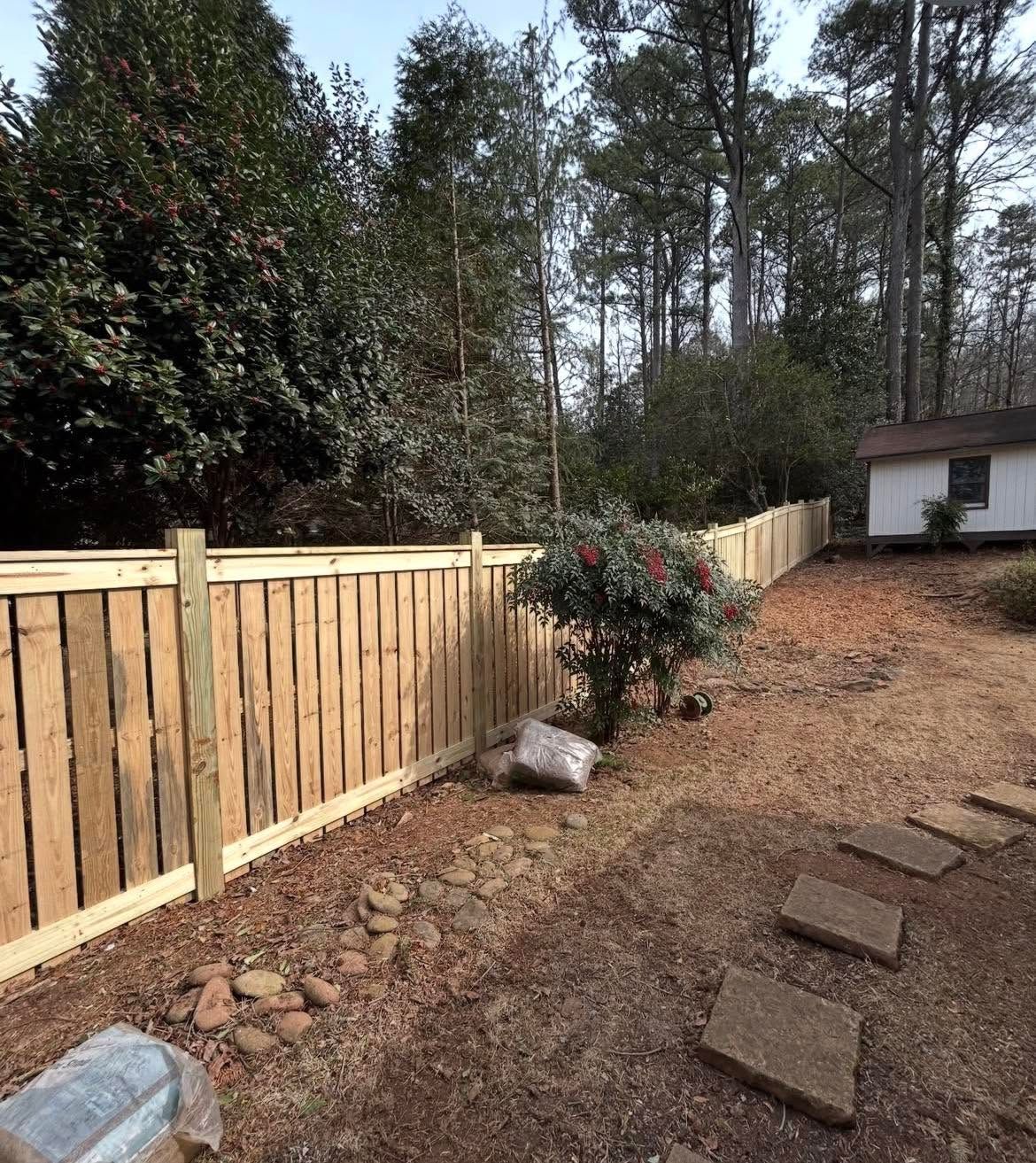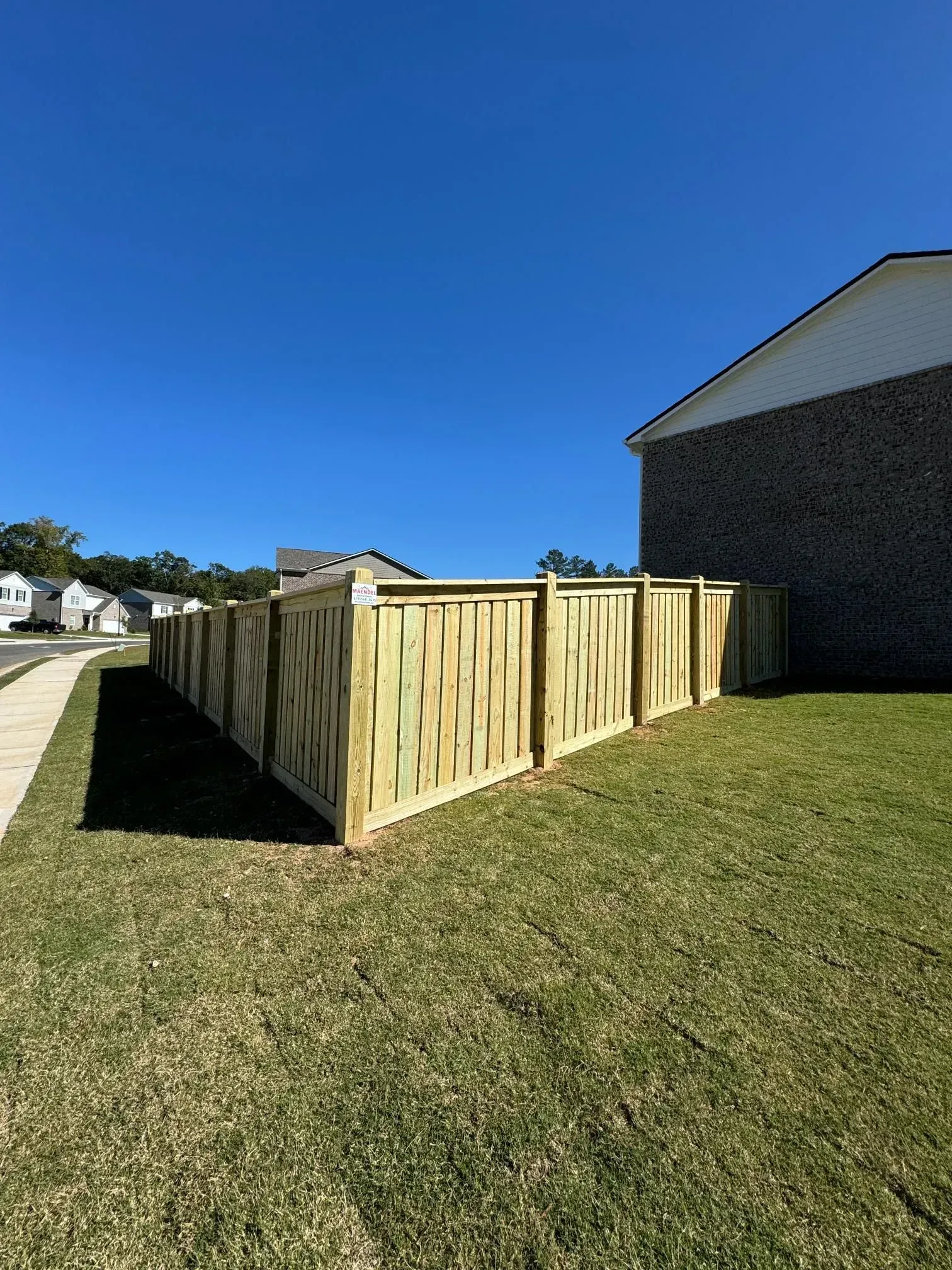

How to Maintain a Wood Fence for Long-Lasting Performance
A wood fence is more than just a boundary marker for your property; it is a vital component that enhances privacy, security, and aesthetic appeal. Whether installed around a residential backyard, commercial space, or rural property, a well-maintained wood fence can significantly boost the overall value and visual charm of the area. However, exposure to the elements, insects, and general wear and tear can compromise the integrity and appearance of wood fencing over time. Many property owners underestimate the effort required to maintain their fences, resulting in deterioration that could have been prevented with proper care.
Understanding how to maintain a wood fence is essential for long-lasting performance and cost-effectiveness. Regular maintenance not only protects the wood from moisture, rot, and insect damage but also ensures that the fence continues to perform its intended function for years. This guide provides a detailed, professional approach to preserving the life and beauty of wood fences, covering practical techniques, preventative measures, and expert advice. By implementing these strategies, homeowners and property managers can extend the life of their fences, maintain safety, and safeguard their investment while ensuring that their outdoor spaces remain visually appealing.
1. Regular Cleaning and Inspection
Why Cleaning Matters
Accumulated dirt, mildew, and debris are among the primary contributors to wood fence deterioration. Moisture trapped in dirt and organic matter can accelerate rot, while mildew and algae growth can discolor and weaken the wood. Regular cleaning prevents these issues, maintaining both structural integrity and visual appeal. A clean fence not only looks more attractive but also creates a protective environment for the wood, reducing the risk of costly repairs or early replacement.
Effective Cleaning Methods
Begin with a basic rinse using a garden hose to remove loose dirt and dust. For more thorough cleaning, use a soft-bristle brush and a mild detergent solution specifically designed for wood surfaces. Pressure washing is another option, but it requires caution: excessive pressure can damage the wood fibers. For fences exposed to heavy moisture or shaded areas prone to mold, consider using a wood-safe fungicidal cleaner. Always test any cleaning solution on a small section first to ensure it does not discolor or weaken the wood.
Inspection Tips
While cleaning, inspect the fence carefully for signs of damage. Look for loose boards, protruding nails, splinters, and cracks. Examine posts for rot at the base and check for termite or insect activity. Early detection of minor issues allows timely repairs, preventing further damage and extending the fence's lifespan. Establishing a routine of cleaning and inspection at least twice a year is recommended for optimal upkeep.
2. Protective Treatments for Longevity
Staining and Sealing
Wood fences are highly susceptible to damage from UV rays, rain, and temperature fluctuations. Applying a high-quality wood stain or sealant creates a barrier against these elements, preventing moisture penetration and reducing the risk of warping or splitting. Stains enhance the natural grain of the wood while protecting it, while sealants focus more on water resistance. For maximum protection, select products labeled for exterior wood use and reapply according to manufacturer guidelines, typically every 2–3 years.
Paint as a Protective Layer
Painting a wood fence offers both aesthetic appeal and durability. High-quality exterior paint provides an additional layer of protection against weather damage, UV exposure, and insects. Choose paint specifically formulated for wood fences, and ensure the surface is clean and dry before application. While paint may require more frequent touch-ups than sealant or stain, it allows for easy customization of color and can extend the fence's life by several years.
Choosing the Right Product
Selecting the right stain, sealant, or paint depends on the type of wood and local climate conditions. Cedar and redwood naturally resist decay but still benefit from protection, while softer woods like pine require more intensive treatment. Opt for products with UV inhibitors, water repellents, and mildew resistance. Consulting with a professional or referencing manufacturer recommendations ensures the selected product matches both the wood type and environmental demands.
3. Preventing Moisture and Rot
Proper Installation Techniques
Moisture is a leading cause of wood fence deterioration, particularly at the base of posts where contact with soil is frequent. During installation, ensure that posts are set in gravel or concrete foundations to reduce direct soil contact. Adding drainage or slightly elevating the fence base can prevent water pooling and promote quicker drying after rain.
Routine Moisture Management
Routine inspections for water damage are critical. Look for soft or darkened areas, swelling, and fungal growth. Trim vegetation, such as grass or vines, that holds moisture against the wood. Gutters and downspouts nearby should be checked to prevent water from splashing onto the fence consistently. Addressing water-related issues early prevents rot and prolongs structural integrity.
Repairing Damage Promptly
Even minor rot or decay can spread if left untreated. Remove and replace affected boards immediately to prevent the problem from compromising the entire fence. Wood hardeners and epoxy treatments are also available for minor areas, allowing homeowners to reinforce weakened sections without full replacement. Quick action can save significant time and expense in the long run.
4. Managing Insect and Pest Damage
Identifying Pest Risks
Wood fences are vulnerable to termites, carpenter ants, and other wood-boring insects. Signs of infestation include small holes, sawdust piles, hollow-sounding boards, or visible insects. Early detection is essential to prevent extensive damage that could compromise fence stability.
Preventive Measures
Treat the wood with insect-resistant products, particularly on fence posts and baseboards. Some stains and sealants include pest-repellent properties, providing added protection. Additionally, avoid stacking firewood, mulch, or other organic materials against the fence, as these can attract pests and provide a pathway to the wood.
Professional Intervention
For persistent or severe infestations, it is advisable to consult a licensed pest control professional. Experts can apply targeted treatments and recommend long-term strategies to protect the fence. Combining regular maintenance with professional guidance ensures the fence remains structurally sound and pest-free.
5. Seasonal Maintenance Practices
Winter Preparation
Winter weather can be harsh on wood fences, with freezing temperatures, snow, and ice posing risks of cracking and splitting. Before winter, clean the fence thoroughly and apply a protective sealant. Check for loose boards or weakened posts and secure them to withstand heavy wind or snow loads.
Spring and Summer Care
During spring and summer, focus on moisture management and UV protection. Inspect for water damage from spring rains and apply stain or sealant if needed. Trim surrounding vegetation and maintain proper airflow to reduce mildew growth. Summer heat can cause wood to expand, so monitor for warping and adjust fence panels as necessary.
Fall Maintenance
Fall is an ideal time to perform a comprehensive inspection and repair any minor damage from summer. Clean leaves and debris from the fence line to prevent moisture retention. Apply touch-up treatments to maintain protective coatings before the winter season arrives. Establishing a seasonal maintenance schedule ensures consistent protection and prolongs the fence’s functional lifespan.
6. Best Practices for Long-Term Fence Performance
Consistent Monitoring
Regularly monitoring your wood fence is crucial for long-term performance. Establish a maintenance log, noting cleaning, staining, sealing, and repairs. This systematic approach ensures no steps are overlooked and allows homeowners to track fence health over time.
Quality Materials and Hardware
Investing in high-quality wood and hardware initially reduces long-term maintenance. Durable wood species like cedar, redwood, or pressure-treated pine resist rot and insect damage better than softer woods. Stainless steel or galvanized nails and screws prevent rust and ensure secure attachment of boards and posts.
Professional Assistance
While many maintenance tasks are manageable for property owners, some situations benefit from professional expertise. Fence contractors can provide assessments, advanced repairs, and professional-grade coatings. Engaging a skilled professional ensures that maintenance is thorough, preventing costly mistakes and extending the life of the fence.
Environmental Considerations
Consider local climate and environmental factors when planning maintenance. High humidity, heavy rainfall, or extreme sun exposure may require more frequent cleaning and protective treatments. Adjusting your maintenance strategy according to environmental conditions optimizes the fence’s longevity and minimizes deterioration.
Dependable Fence Maintenance Services by Maendel Construction
Maintaining a wood fence requires a proactive and structured approach. By implementing regular cleaning, protective treatments, moisture management, pest control, and seasonal care, homeowners can significantly extend the life and performance of their fences. Consistent monitoring, using quality materials, and applying best practices contribute to both structural integrity and visual appeal. These strategies ensure that fences continue to serve their intended purpose while minimizing costly repairs and replacements over time.
For property owners in Gainesville, Georgia, Maendel Construction, LLC
stands out as a trusted authority in
wood fence installation and maintenance. With several
years of experience, the company offers professional guidance, high-quality materials, and expert services designed to preserve and enhance your fence’s performance. Maendel Construction, LLC
combines technical expertise with personalized solutions, ensuring that every fence is durable, visually appealing, and tailored to withstand local environmental conditions. Partnering with an experienced, reliable team guarantees long-lasting results and peace of mind for homeowners seeking excellence in fencing solutions.