
Wood Fence Pros and Cons for Homeowners
Wood fences have long been a popular choice for homeowners looking to enhance both the aesthetic appeal and functionality of their properties. Offering a blend of natural beauty, privacy, and versatility, wood fences provide an attractive boundary for homes, gardens, and outdoor living spaces. They can complement a wide range of architectural styles, from classic cottages to modern designs, making them a flexible option for homeowners seeking to elevate their property’s exterior. Beyond visual appeal, wood fences also serve practical purposes, such as providing security, delineating property lines, and creating safe spaces for children and pets. Understanding the benefits and limitations of wood fencing is crucial for homeowners who want to make a well-informed investment that balances style, cost, and longevity.
While wood fencing has many advantages, it also comes with certain challenges that require careful consideration. Factors like maintenance, durability, climate impact, and installation costs play a significant role in determining whether wood fencing is the right choice for a specific property. Homeowners need to weigh these factors against alternative fencing materials such as vinyl, metal, or composite options. This blog explores the pros and cons of wood fences in detail, offering actionable insights and real-world examples to help homeowners make an informed decision for their outdoor spaces.
Benefits of Wood Fencing
Natural Aesthetic Appeal
One of the most compelling reasons homeowners choose wood fencing is its natural beauty. Wood offers a warm, organic look that can blend seamlessly with landscaping, garden elements, and the overall architecture of a home. From picket fences that evoke a classic charm to tall privacy fences that create a sleek, modern look, wood provides versatile design options. Homeowners can customize the color, stain, and finish to complement their property, ensuring a tailored appearance that enhances curb appeal.
Privacy and Security
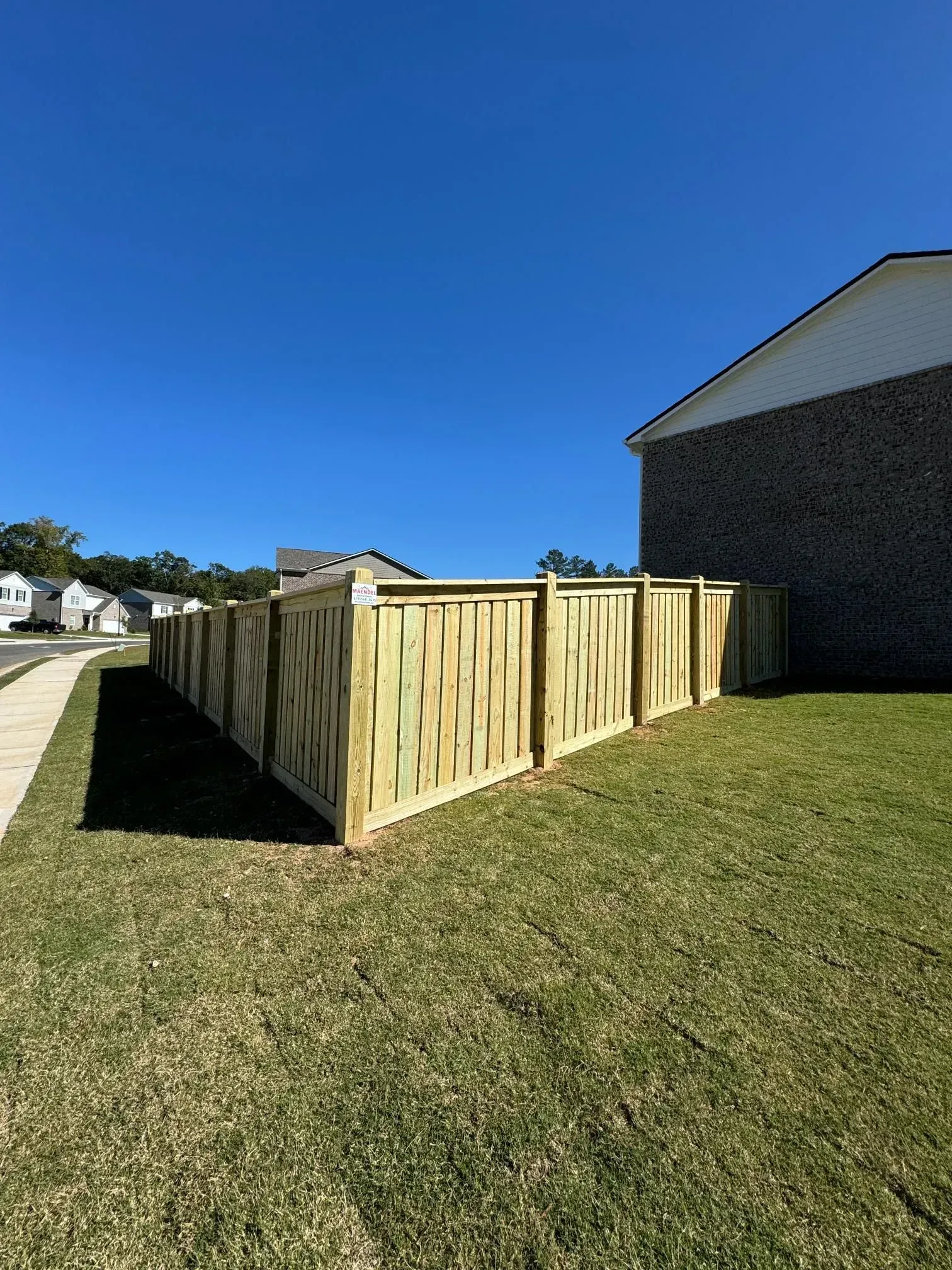
Wood fences are excellent for creating private spaces in both front and backyards. A tall, solid wood fence can effectively block the view of neighbors and passersby, giving homeowners a sense of security and seclusion. Additionally, these fences act as a deterrent for trespassers and stray animals, adding an extra layer of safety to the property. For families with children or pets, a secure wood fence ensures that outdoor spaces remain safe and contained.
Flexibility and Customization
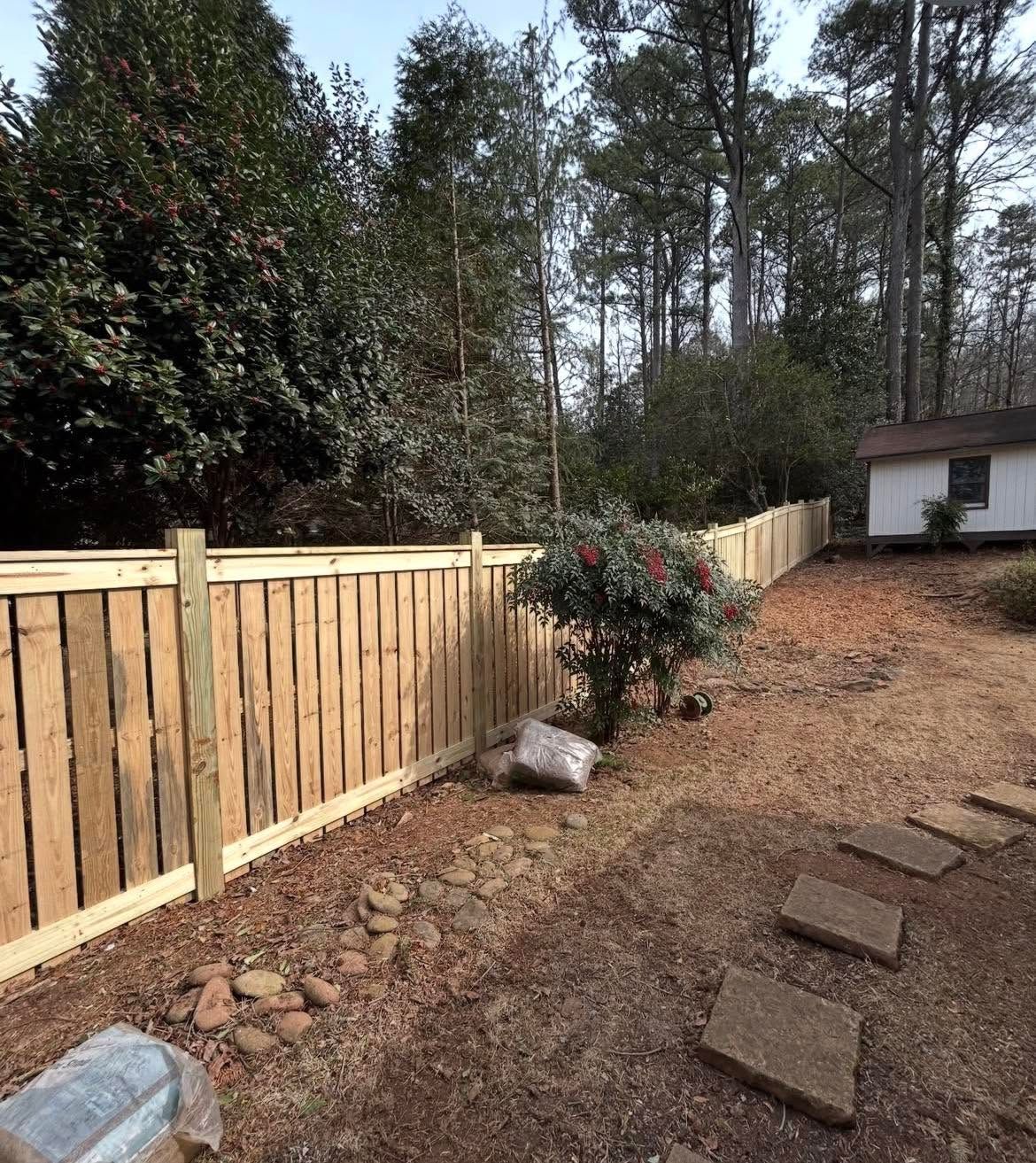
Wood fencing is highly adaptable. Homeowners can select from a variety of styles, such as picket, board-on-board, shadowbox, or lattice designs. This flexibility allows for both aesthetic and functional customization. Wood can also be easily modified after installation, allowing for repairs or additions, such as gates, trellises, or decorative elements, without extensive labor or expense. This adaptability makes wood a practical choice for homeowners looking to create a personalized outdoor environment.
Cost-Effectiveness
Compared to materials like wrought iron or high-end composites, wood is generally more affordable upfront. Basic wood fencing options, such as pine or cedar, provide a cost-effective solution for large properties without compromising on quality or appearance. While wood may require periodic maintenance, its initial affordability makes it accessible for homeowners working within a budget.
Drawbacks of Wood Fencing
Maintenance Requirements
A primary consideration for wood fence owners is the maintenance required to keep the fence in good condition. Wood is susceptible to weathering, warping, and rotting if not properly cared for. Homeowners must regularly stain or seal their fences to protect against moisture, UV rays, and insect damage. Neglecting maintenance can lead to costly repairs or the need for premature replacement, reducing the overall value of the investment.
Durability Concerns
While wood fences are strong and sturdy, they do not offer the same level of durability as materials like vinyl or aluminum. Wood can be compromised by termites, carpenter ants, and other pests, particularly in humid climates. Heavy storms or high winds can also cause damage, such as broken boards or leaning posts. These durability issues require homeowners to inspect their fences regularly and address minor problems before they escalate.
Potential for Warping and Cracking
Wood naturally expands and contracts with changes in temperature and humidity. Over time, this can cause boards to warp, crack, or split, especially if the fence is made from lower-quality or untreated wood. Warping not only affects the fence’s appearance but can also compromise its structural integrity. Selecting high-quality wood and proper installation techniques can minimize these risks, but homeowners must still monitor their fences over time.
Environmental Impact
Sourcing wood responsibly is essential, as some types of wood contribute to deforestation and environmental degradation. Homeowners should look for sustainably sourced or certified wood options to reduce environmental impact. While wood is a renewable resource, improper sourcing and disposal practices can negate its eco-friendly benefits.
Cost Considerations and Long-Term Investment
Upfront Costs
The initial cost of a wood fence varies based on wood type, height, and design complexity. Pressure-treated pine is typically the most economical option, while cedar and redwood offer increased durability and aesthetic appeal at a higher price. Additional costs include hardware, posts, gates, and professional installation. Homeowners should account for these factors when budgeting for a wood fence project.
Long-Term Maintenance Costs
Unlike low-maintenance alternatives such as vinyl or composite fences, wood requires ongoing upkeep. Staining, sealing, and occasional repairs contribute to long-term expenses. Homeowners who neglect maintenance may face accelerated deterioration, increasing replacement costs. Factoring in these ongoing costs is crucial for understanding the true financial investment of a wood fence.
Value Addition to Property
Despite maintenance costs, a well-installed and maintained wood fence can enhance property value. Privacy fences, in particular, are attractive to buyers who value security and outdoor living space. A visually appealing fence can improve curb appeal and make a property more marketable. When combined with landscaping and proper care, wood fencing can be a worthwhile long-term investment for homeowners looking to balance aesthetics and functionality.
Best Practices for Installing and Maintaining Wood Fences
Proper Installation Techniques
The longevity and effectiveness of a wood fence largely depend on proper installation. Homeowners should ensure posts are set deep enough into the ground and anchored with concrete for stability. Boards should be spaced correctly to accommodate expansion and contraction. Professional installation can prevent many common issues such as leaning posts, uneven boards, or poor drainage, which can accelerate wood decay.
Choosing the Right Wood
Selecting the right type of wood is critical for durability and appearance. Cedar and redwood are naturally resistant to rot and insect damage, making them ideal for long-term use. Pressure-treated pine is a more budget-friendly option but may require more maintenance. Homeowners should also consider local climate conditions, as humid or rainy environments can affect wood performance.
Regular Maintenance Practices
Routine maintenance is essential to preserve the beauty and integrity of a wood fence. Cleaning the fence with mild soap and water helps remove dirt, mildew, and mold. Staining or sealing every 2–3 years provides protection against moisture and UV damage. Inspections should be conducted regularly to identify loose boards, rusted hardware, or signs of insect infestation, allowing homeowners to address problems promptly.
Seasonal Considerations
Wood fences are influenced by seasonal changes. In winter, moisture and frost can weaken the wood, while summer heat may cause cracking or warping. Homeowners should apply protective treatments before extreme weather seasons and make minor adjustments, such as tightening hardware or replacing damaged boards, to ensure the fence remains functional year-round.
Comparing Wood Fencing to Other Materials
Wood vs. Vinyl
Vinyl fences are low-maintenance, resistant to rot and pests, and offer long-lasting durability. However, vinyl lacks the natural aesthetic appeal of wood and can be more expensive upfront. Wood provides a warmer, customizable appearance but requires ongoing maintenance.
Wood vs. Metal
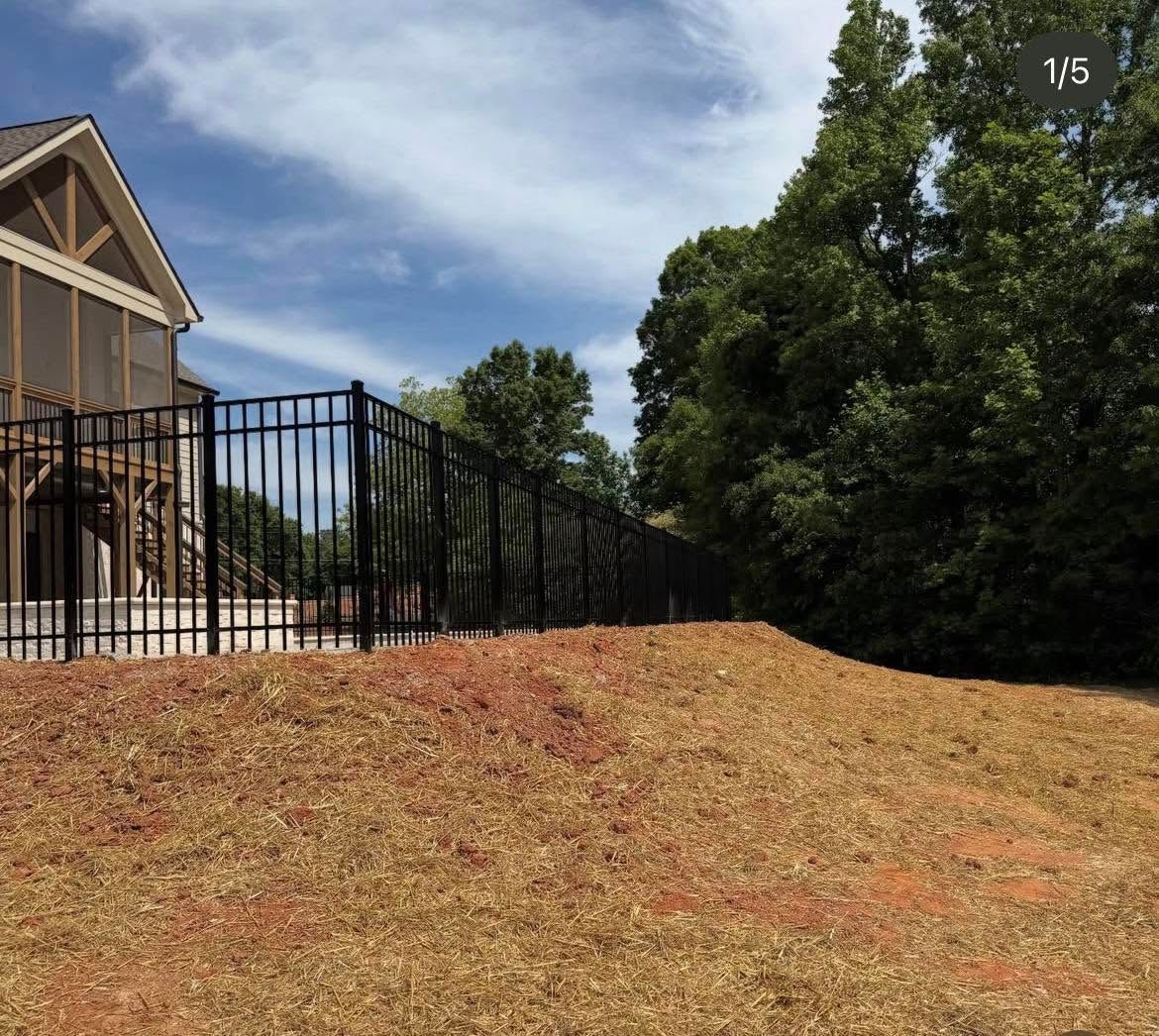
Metal fences, such as aluminum or wrought iron, offer superior strength and longevity but come with higher costs and limited design flexibility. Wood fences excel in creating privacy and blending with landscaping while offering a more traditional look.
Wood vs. Composite
Composite fences combine wood fibers and plastic to create a durable, low-maintenance option. While composites resist rot and insect damage, they are less customizable in terms of color and texture. Wood remains the preferred choice for homeowners prioritizing natural beauty and versatility.
Making an Informed Choice
When selecting a fencing material, homeowners should consider budget, maintenance willingness, desired appearance, and long-term goals. Wood fencing remains a strong choice for those valuing aesthetics, privacy, and customization, provided they are prepared for the necessary upkeep.
Professional Wood Fence Services Tailored to Homeowners
Wood fences offer a unique combination of natural beauty, privacy, and adaptability that appeals to many homeowners. While maintenance requirements and durability concerns are factors to consider, the versatility and aesthetic advantages of wood make it a worthwhile option for enhancing outdoor spaces. Careful material selection, proper installation, and regular maintenance can ensure that a wood fence remains both functional and visually appealing for years. Evaluating the pros and cons in relation to other materials, homeowners can make an informed decision that aligns with their property goals, budget, and lifestyle.
For homeowners in Gainesville, Georgia, seeking professional fencing solutions, Maendel Construction, LLC
is a trusted partner with several
years of experience in wood fence installation and maintenance. Their team provides expert guidance on material selection, design options, and proper care techniques to maximize the longevity and beauty of each fence. By combining local expertise with a commitment to quality workmanship, ensures that every wood fence project enhances both property value and outdoor enjoyment, offering homeowners reliable and professional service from start to finish.